Country diary: As winter approaches, all eyes here are on heating oil prices | Nicola Chester

Inkpen and Combe, Berkshire: If the price goes down, the village WhatsApp group lights up
B eyond the reach of the gas mains, there is tension about the coming winter. Many rural homes have an open fire or wood burner, but most rely on kerosene oil for hot water and heating. Since the US-Iran war began, its cost has more than doubled. Currently, 1,000 litres (lasting 10-12 weeks) is £1,219. A year ago, it was £549. Seasoned wood is in demand.
We watch the oil price rise, with none of the consumer protections afforded to gas customers. If the price per litre drops, as during the June ceasefire, the village WhatsApp group lights up.
Some residents still have a back boiler system: a water tank tucked behind a fireplace that heats and circulates hot water to taps and through radiators. It is possible, if you have access to firewood, to heat your home for nothing. Until recently we supplemented our oil heating with wood we could take from the estate, until that “right” was rescinded by the gamekeeper we fell out with. But this isn’t the first time a villager has had a run-in about collecting wood.
In between rain showers we head out, past the gamekeeper’s old residence, to where the estate woodsman’s cottage once was, on the way to the former Wadsmere Common (now an unfenced field, grazed by pheasants). We step over branches felled by storms Austen and Boelo. It’s mostly ash; the best for burning.
Beside the pile of stones where the cottage stood, a tree creaks like a garden gate swinging open. “Granny” Bulpitt, as she was known, was the last occupant. Her father-in-law was the estate bailiff, and after the common and down were enclosed in 1840, he informed on villagers who persisted in collecting firewood.
To the estate owners, King’s College, Cambridge, “their” wood was lucrative commerce. Plunged into fuel poverty, the villagers took the estate to court and won, their plight taken up by the Times. But in retaliation, the estate evicted five tenant families into a severe January snowstorm, and pulled down their houses.
“Granny” Bulpitt’s associations were not forgotten. When she died in 1903, the college let the house fall to ruin. No one lives on Granny’s Lane now, except her rumoured ghost. Winter fuel is forever a contentious issue.
Source: The Guardian. Summary reproduced for informational purposes.
Related
 Money
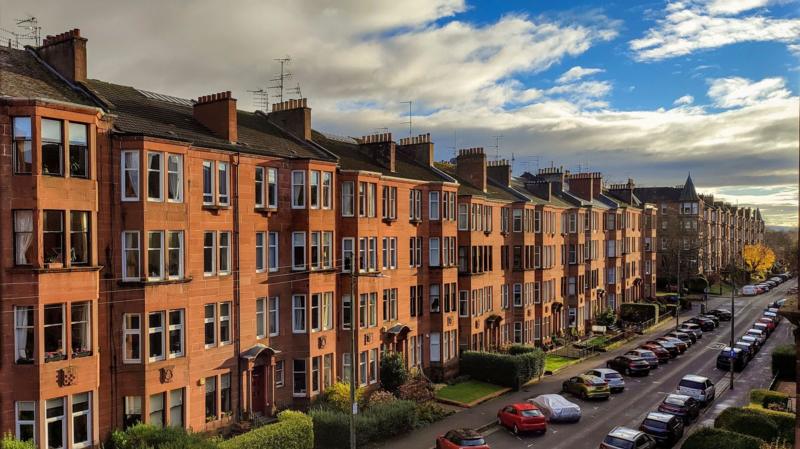
Glasgow City Council announces plans for up to 12,000 more homes
The city has been in a housing emergency since 2023, with heavy pressure on the city's homelessness services.
 Money
Why Rice Krispies aren't made with rice grains anymore
Kellogg's has told the BBC the "snap, crackle and pop" sound made by its Rice Krispies may be noticeably quieter after an uproar over the cereal giant's recipe change.
 Money
Office block could be converted into housing
Mulberry Business Park could be converted into more than 100 affordable homes in the next few years.
 Money
Meal price hike 'taking food out' of kids' mouths
South Tyneside Council votes to increase the price of school meals to £3.50 per day - up by 50p.
Never miss a headline
The biggest stories in business and finance, delivered to your inbox. Join thousands of readers — unsubscribe any time.