Three ways to boost the UK’s fragile food security | Letters

Damien Conrad makes the case for local food hubs, Simon Tompsett promotes growing your own food, and Alex Robinson points to reducing waste
Your editorial is right to warn that Britain’s food system leaves us dangerously exposed ( The Guardian view on food security: we have just-in-time, we need just-in-case, 15 October ). But scarcity is only part of the problem. Across the country, good food exists; what is missing is the infrastructure to store it, aggregate it and get it to the people who need it.
That failure runs through the whole food chain. Farmers are being pushed to the brink while millions of tonnes of edible produce go to waste . Independent retailers and wholesalers face rising costs, while schools, hospitals and community organisations want to provide healthier food but are constrained by tight budgets.
Meanwhile, climate shocks are becoming more likely, farming methods remain unsustainable, and poor diets carry a vast economic cost ( a shocking £300bn per year in the UK, or £10,000 per household, according to an analysis by the Food, Farming & Countryside Commission ). The current system is neither resilient nor rational.
There is a practical alternative: local food hubs that can accept surplus food but also enable buying in bulk, combining supplies and shortening the final mile. Hubs can create new markets for farmers, reduce waste and help communities access affordable, healthy food.
Many such hubs appeared during lockdown, but too few survived. The new hub in Barking and Dagenham shows what is possible. It redirects surplus food to organisations tackling the causes of poverty, while laying the foundations for collective purchasing and a fairer local supply chain.
Britain does not lack food, ideas or demand. It lacks durable local infrastructure. If government wants a food system that is secure, healthy and sustainable, supporting food hubs should be central to the plan. Damien Conrad Purley, Londo n
Your editorial on food security correctly identifies the problem, but centralised food stockpiles can only ever provide part of the solution. A key measure should be to encourage households to grow their own food. Allotments should be given greater protection from destruction by developers and local authorities, an example of which is the takeover of allotments in Teddington by Richmond upon Thames council to extend a cemetery. Feeding the living should take precedence over accommodating the dead. Simon Tompsett Teddington, London
Your editorial makes a compelling argument for government action, but it misses a powerful way we could build our resilience: cutting food waste. In the UK, we waste more than 10m tonnes a year – over half of it in our homes, which costs a household of four £1,000 a year .
We tend to hugely underestimate our own potential to make a difference. Halving edible food waste at home would save over 2m tonnes, and put £500 in householders’ pockets. Boosting surplus food distribution and addressing supply-chain waste could also save food and money, and take pressure off food growers.
No one chooses to waste food. If the government heeds your editorial’s advice to act, then addressing the structural causes of food waste, backed by a national citizen-focused campaign, would give people benefits they can feel today while protecting us against the shocks of tomorrow. Alex Robinson Chief programmes officer, Waste and Resources Action Programme
Source: The Guardian. Summary reproduced for informational purposes.
Related
 Agriculture
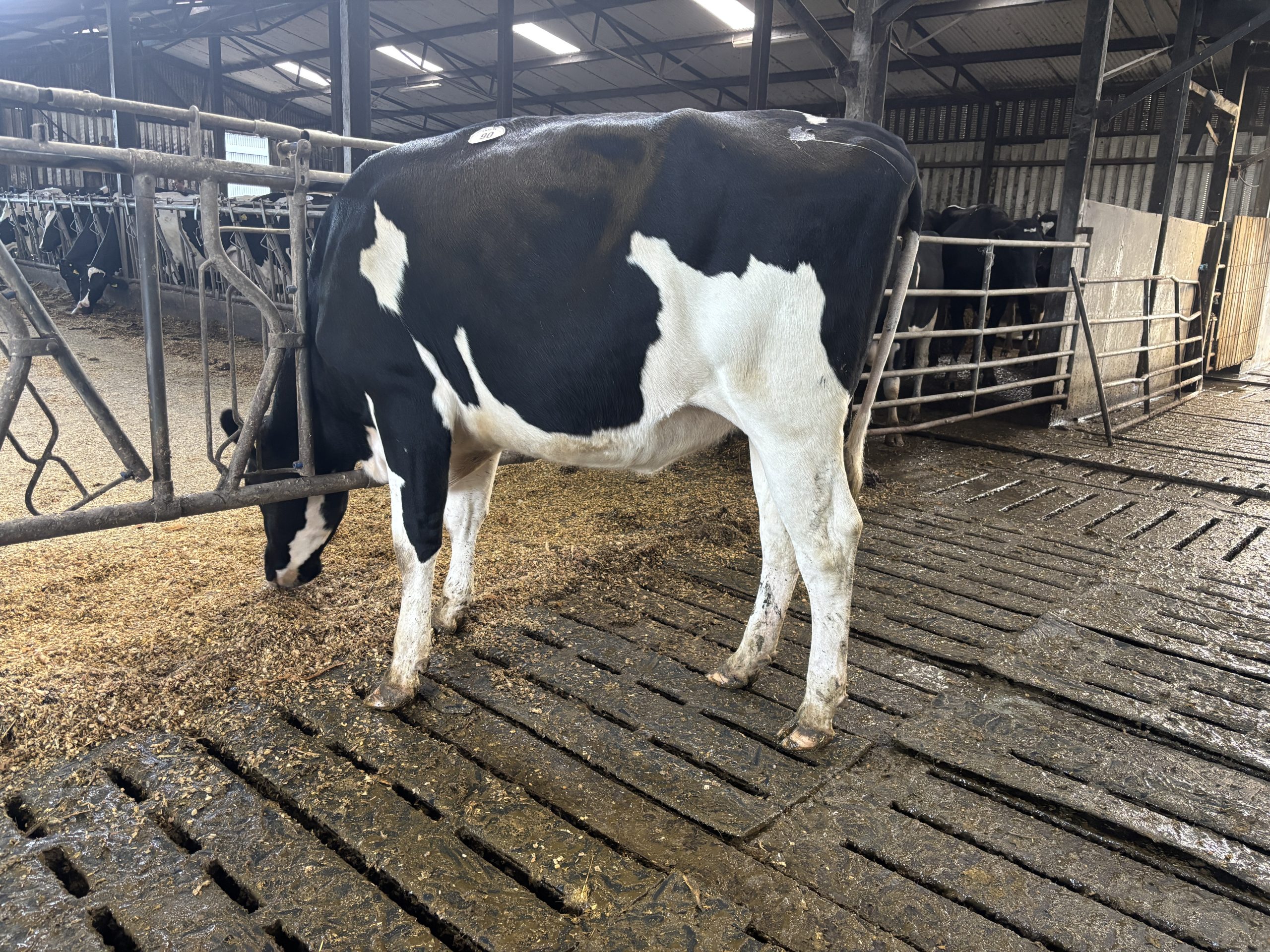
Pics: Knoxtown heifers selling to the tune of €8,100 at dispersal sale
The dispersal sale of the well-known Knoxtown pedigree registered herd in Clonroche Co. Wexford took place on farm this week. The herd, which is run by Sean and Breda Murphy alongside their son Gearóid, is known for high-quality families such as Dairymaid, Erl
 Agriculture
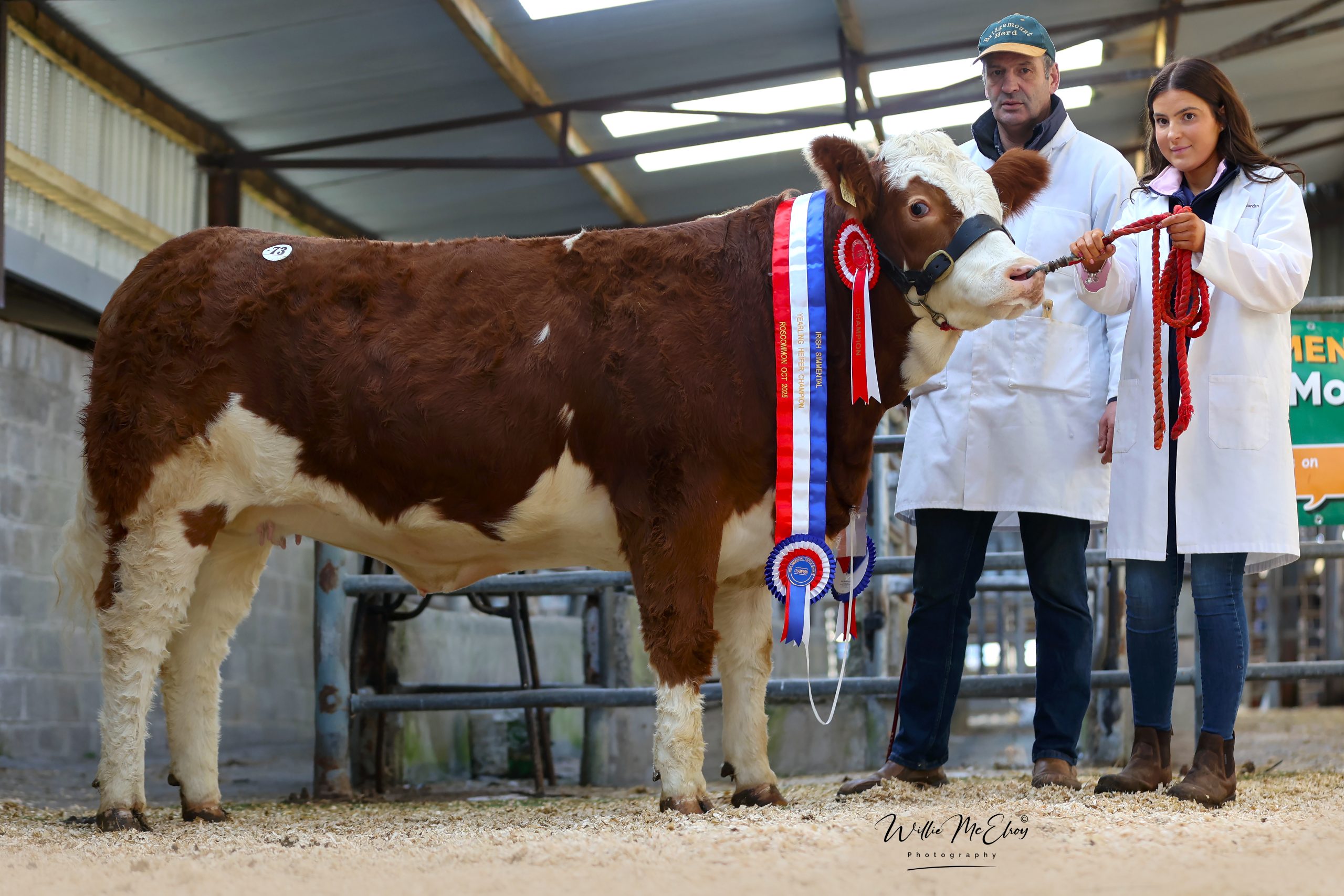
Simmental Premier Show and Sale set for Roscommon this Saturday
The Irish Simmental Cattle Society’s Premier Show and Sale will take place at Roscommon Co-Operative Livestock Mart this Saturday (October 24). The sale is expected to feature almost 50 bulls and 80 heifers and according to the cattle breed society “will affor
 Agriculture
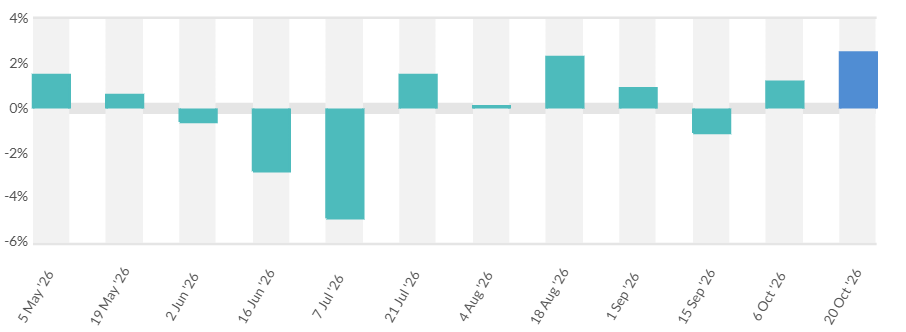
Global Dairy Trade rises 2.5%
The Global Dairy Trade (GDT) index has increased following the latest trading event held this week. The index has increased by 2.5%, showing an average price of €3,582/t, at the auction which took place today (Tuesday, October 20). This event saw a total of 42
 Agriculture
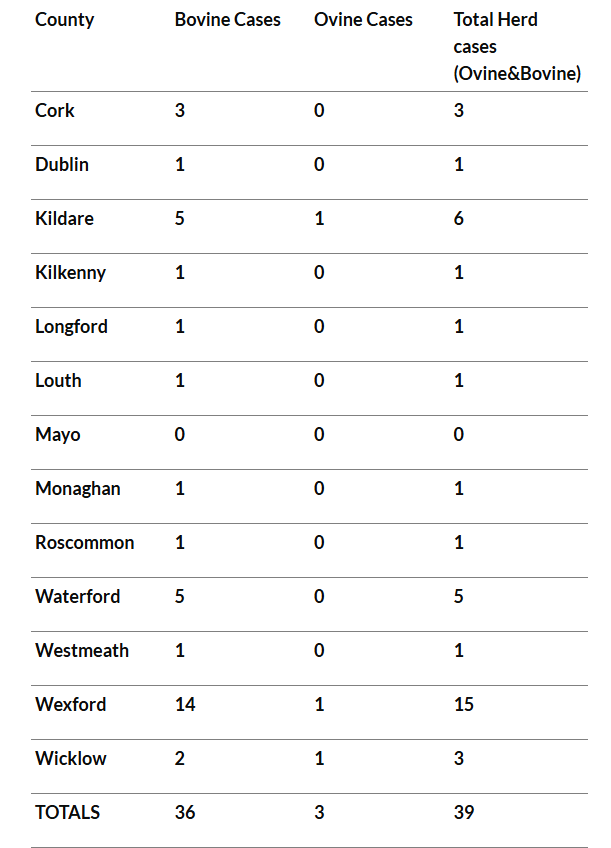
More bluetongue cases confirmed in Wexford
More cases of bluetongue have been confirmed in Co. Wexford. The Department of Agriculture, Food and the Marine has today (Tuesday, October 20) confirmed that the number of bluetongue cases in the country has risen to 39. The majority of these have been bovine
Never miss a headline
The biggest stories in business and finance, delivered to your inbox. Join thousands of readers — unsubscribe any time.