UK government borrowing rises to £24.5bn as John Healey prepares for budget

Government paid £10.9bn in debt interest, the highest September figure since records began
The Treasury ran a higher than expected budget deficit of £24.5bn last month as rising inflation pushed up the interest paid on government debt, increasing pressure on John Healey before his budget next week.
Official figures show the government paid £10.9bn in debt interest: the highest September figure since records began, and only the eighth time the monthly number has been above £10bn.
Some government bonds are directly linked to the retail prices index measure of inflation, with payments rising in line with it. RPI has increased in recent months as the Iran war has pushed up energy costs. The Office for National Statistics said this had added £4bn to debt interest costs in September alone.
Total government debt is estimated to have hit £3tn for the first time – although as a share of the size of the economy it has fallen to 94%, from 95% a year ago.
The £24.5bn monthly deficit on the public finances was up from £17bn in August, and £1.9bn higher than the independent Office for Budget Responsibility had forecast.
In the financial year so far, public sector net borrowing is £97.8bn, the ONS said – £4.4bn lower than last year but still £6bn higher than the OBR expected.
The data underlines the impact of the Iran war on the public finances, before the budget next Wednesday.
Healey has been keen to stress his determination to stay within the fiscal rules set out by his predecessor as chancellor, Rachel Reeves.
However, he is widely expected to accept a slimmer financial buffer, or “headroom”, against those rules than the £24bn Reeves had built up at the time of her spring forecast .
Higher inflation tends to be good for tax revenues but it also squeezes how much government departments can achieve within fixed budgets.
Receipts from income-related taxes were up more than 7% on the same month last year in September, and corporation tax by 9%, aided by stronger than expected economic growth – but these higher receipts failed to offset the rising debt interest bill.
Martin Beck, the chief economist at the consultancy WPI Strategy, said the latest data was “an unwelcome reminder of the pressures facing the chancellor ahead of next week’s budget”.
Healey is under pressure to provide relief from rapidly rising energy costs . Greg Thwaites, the interim chief economist at the Resolution Foundation, said the public finances figures suggested he would have to take a cautious approach.
“The support must be temporary and targeted given the state of the public finances. Borrowing is already off track this year, debt has hit £3tn, and markets are closely scrutinising the government’s ability to keep on top of the public finances,” he said.
The Conservative shadow chancellor, Andrew Griffith, said the figures showed Labour should do more to tackle the deficit. “Government borrowing of more than £3tn – the highest in history – and rising inflation show Labour has lost control of the economy,” he said.
Source: The Guardian. Summary reproduced for informational purposes.
Related
 Economy
UK inflation rises by more than expected to 3.5% as war drives up fuel prices
Increase in annual price growth in September comes amid fears rate will breach 4% next year Business live – latest updates UK inflation climbed by more than expected in September to 3.5% after a surge in prices from the conflict in the Middle East that has pus
 Economy
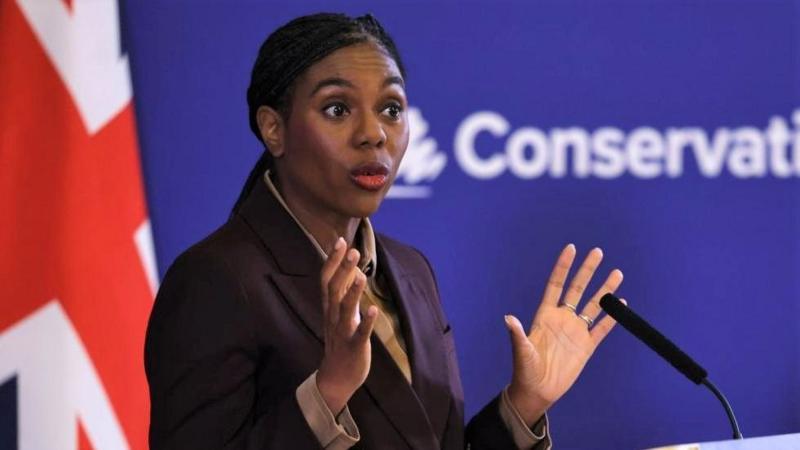
Labour will not have the courage to cut spending, says Badenoch
Speaking ahead of next week's Budget, the Conservative leader says her party would make £70bn of cuts.
 Economy
China’s economy grows faster than forecast after AI boom boosts exports
Third-quarter GDP up by 4.5% compared with last year as industrial output is buoyed by electronics demand Roaring exports lifted China’s economic growth in the third quarter of this year, with factory output growing much faster than consumer spending. China’s
 Economy
Small business owners are doing OK – but will that help Trump overcome his low approval ratings?
Overall, economic sentiment for Trump is poor, but small businesses seem fairly confident, according to several surveys There are 34m small businesses in the United States. They employ approximately half of the country’s workers and generate about half of the
Never miss a headline
The biggest stories in business and finance, delivered to your inbox. Join thousands of readers — unsubscribe any time.