Country diary: Rare Wensleydale sheep have their day in the sun | Andrea Meanwell

Garstang, Lancashire: With fedora and broken shepherd’s crook, I was a judge at an agricultural show, inspecting the mouths and fleeces of some fantastic breeds
A s I walked across the show field in the sunshine on my way to the secretary’s tent, my shepherd’s crook snapped in half. On closer inspection, it was riddled with woodworm – not the best start to a day of judging at the Garstang agricultural show . The event was first held in 1813, and it was an honour to be asked to judge the native sheep this year. I was smartly dressed in tweed and a fedora – and a stick that was hastily cobbled back together by one of the stewards with gaffer tape.
It is quite a job comparing different breeds, and I had spent the week beforehand learning what was desirable and what was considered a “fault” among upland breeds such as Clun Forest, Derbyshire Gritstone and Welsh Badger Face (Torduu and Torwen), and among lowland ones including Border Leicester, Coloured Ryeland and Wensleydale.
As an example, the Herdwick may not have large spots on its ears; other breeds may without it counting against them. Some breeds need to have black on the inside of their ears, some black only on the outside. As well as judging the breed standard, I was also looking for conformity within the group.
I carefully examined the mouth of each sheep. The ability to find and eat food for yourself is a key attribute in a sheep, so mouth quality is vital. I then examined the sheep’s physical condition and fleece quality. Champion in the upland breeds was clear to my mind: a Welsh Torduu ewe bred by Andrew Clark, with a Clun Forest tup the reserve champion. In the lowland breeds, the Wensleydale ewe bred by Andrew Tattersall was champion, with a Border Leicester the reserve.
Away from the trophies and rosettes, it was good to see so many Wensleydales , with their lustrous shiny fleeces and distinctive corkscrew spirals. I asked one breeder why there aren’t more people keeping Wensleydales. “It’s because they are all about the wool,” she said. People are moving away from breeds that are primarily bred for wool as so few garments are made from wool now, so most sheep are kept to breed for meat instead. Today, at least, the Wensleydales had their day in the sun.
Source: The Guardian. Summary reproduced for informational purposes.
Related
 Agriculture
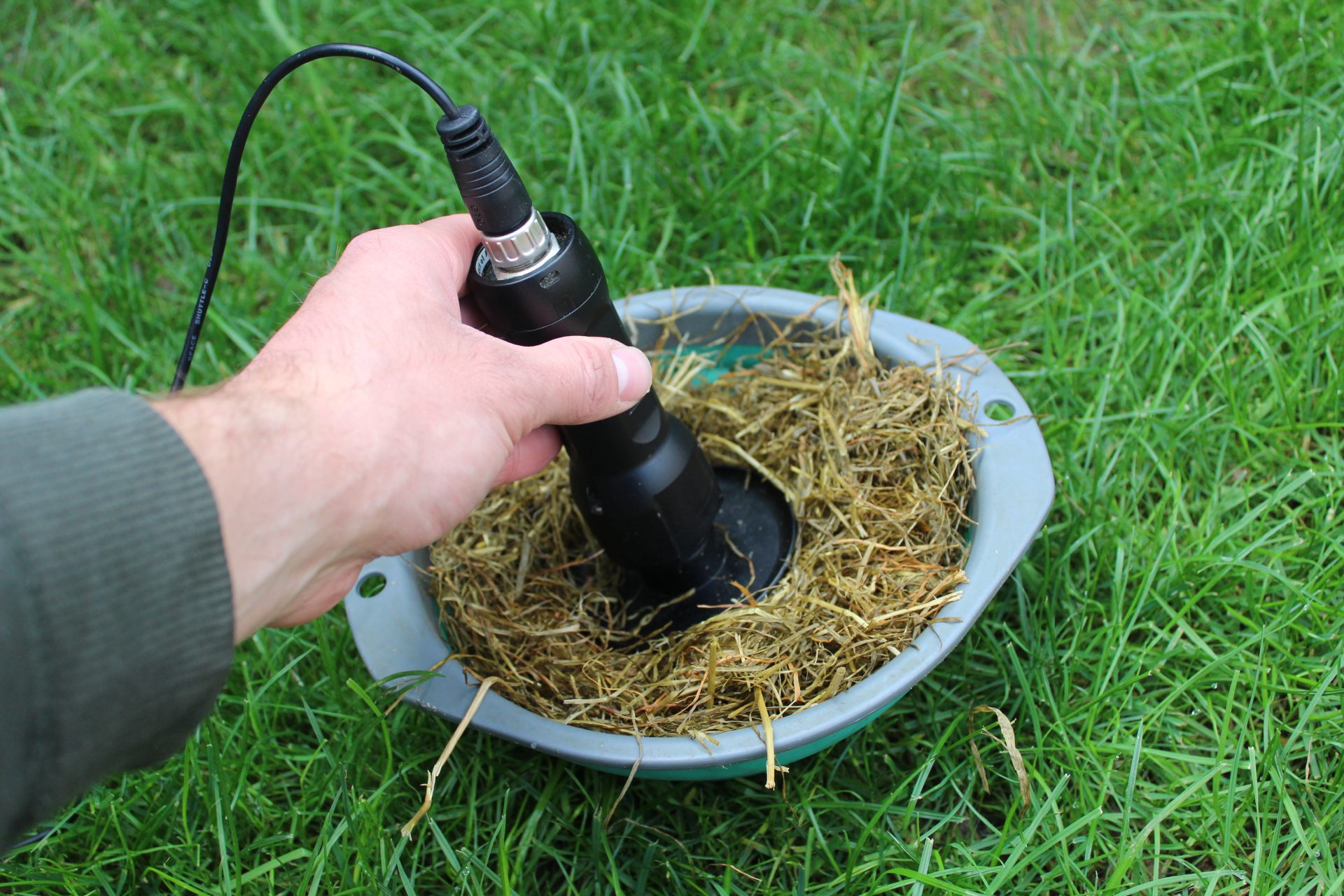
Why silage testing is a smart investment
When farmers are drawing up fodder budgets this month, it may be well worth their while to silage test the crop already in the yard. Despite the drought impacting fertiliser applications, a lot of farms will be hoping to get another cut in at the end of the mo
 Agriculture
After decades of decline, New Zealand’s wool industry is making a comeback
Forty years ago there were more than 22 sheep to every New Zealander, but wool prices and production declined with the uptake of synthetic alternatives John Hargreaves’ family has farmed sheep and beef in Kaiwaka, north of Auckland, for generations. In the 196
 Agriculture
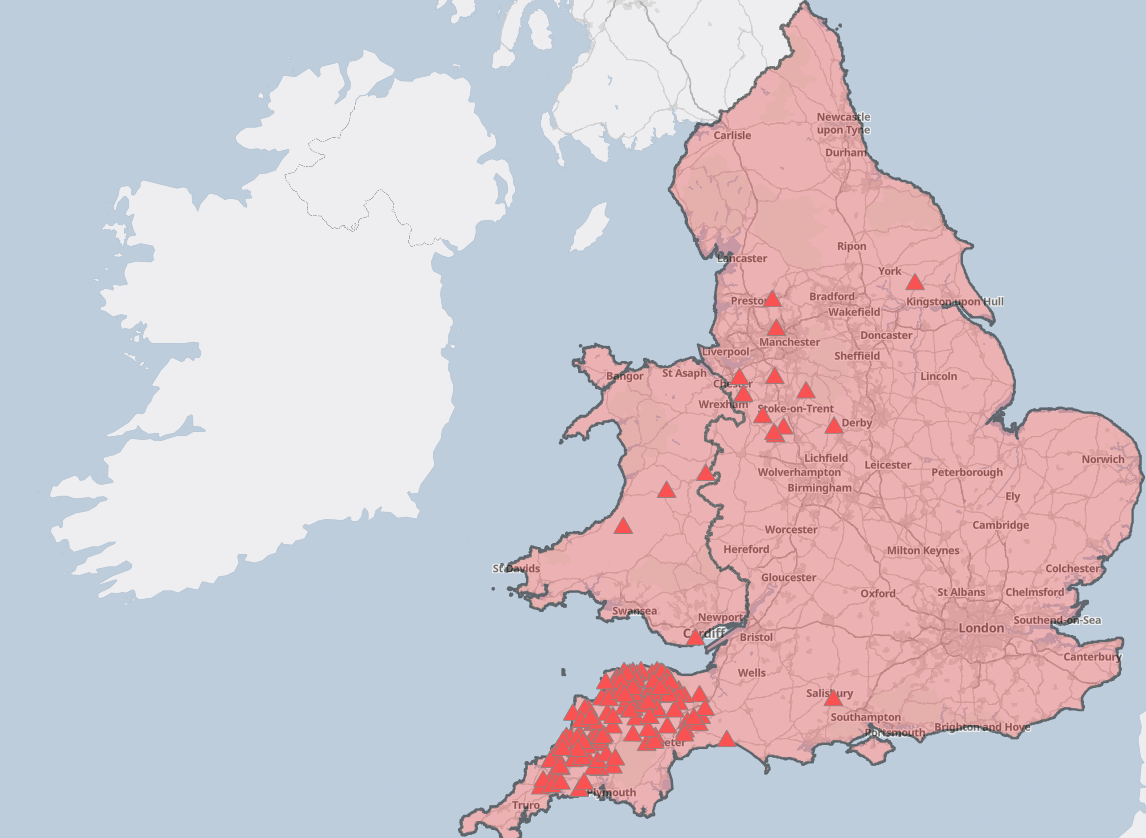
Are bluetongue-infected midges on the way from the UK?
If weather conditions allow the migration of infected midges from the UK across the Irish Sea to Ireland this autumn, we could see increased cases of bluetongue here. According to the National Disease Control Centre (NDCC) in Ireland, there has been a signific
 Agriculture
Heatwaves impact winter and summer crops across Europe
Recent heatwaves have severely impacted many winter and summer crops growing across Europe, according to Brussels. In essence, the continuing dry weather shortened the grain-filling phase of winter crops and brought forward the harvest, which has already been
Never miss a headline
The biggest stories in business and finance, delivered to your inbox. Join thousands of readers — unsubscribe any time.