Great Britain’s worst-ever bluetongue season ‘a major animal welfare crisis’

British Veterinary Association president tells MPs surge in cases putting farmers under severe pressure and stress
The worst bluetongue season on record has been a major animal welfare crisis in Great Britain, MPs have been told, putting farmers under “severe emotional stress”.
Bluetongue, a viral disease that affects sheep, cattle and goats, can cause fever, lesions, stillbirths and death. The tongue may go blue and protrude from the mouth.
The virus, which originated in Africa and is transmitted via biting midges, has spread to Europe over the past two decades, a development the World Organisation for Animal Health links to climate breakdown. The strain of bluetongue currently affecting livestock, serotype 3 (BTV-3), was first found in England in 2023.
The 2025-26 season has been the worst on record . There have been 3,472 cases recorded in England, Scotland and Wales since July, more than five times the past three seasons combined.
Catherine McLaughlin, the chief animal health and welfare adviser at the National Farmers Union, told MPs that this year’s outbreak had placed farmers across the country “under severe emotional pressure and stress”.
“Farmers have faced animal deaths, severe disease, reproductive losses, milk and growth losses, extra labour, veterinary costs, disruption to breeding and sales,” she said. “The emotional turmoil this has placed on farms has been really stark and quite distressing to see.”
The effect of the virus on animal fertility was likely to have long-lasting effects for farms, she said. “We may well be looking at a lot of farms with very low, low numbers of lamb in the spring, which has a massive financial impact on those businesses.”
Dr Gwen Rees, the president of the British Veterinary Association, said because there was no direct treatment for bluetongue, there was little that vets could do.
“You can support those animals and hope they get through it, but that’s a very difficult position to be in for a vet and for a farmer,” she said. “It was a major animal welfare crisis.”
The cost of vaccination and uncertainty about the risk of infection had deterred some farmers from immunising their animals before the outbreak took hold, Rees told MPs.
“Farmers and vets are always balancing risk and benefit and it’s very difficult sometimes to invest in a just-in-case when your margins are extremely tight. The vaccine isn’t a cheap vaccine.”
The worst-hit areas have been in the south-west. Devon has recorded 1,291 cases, Somerset 373 and Cornwall 352.
The Department for Environment, Food and Rural Affairs defines a case as a premises where at least one animal with bluetongue is present, so the total number of animals affected is likely to be higher than the number of reported cases.
Source: The Guardian. Summary reproduced for informational purposes.
Related
 Agriculture
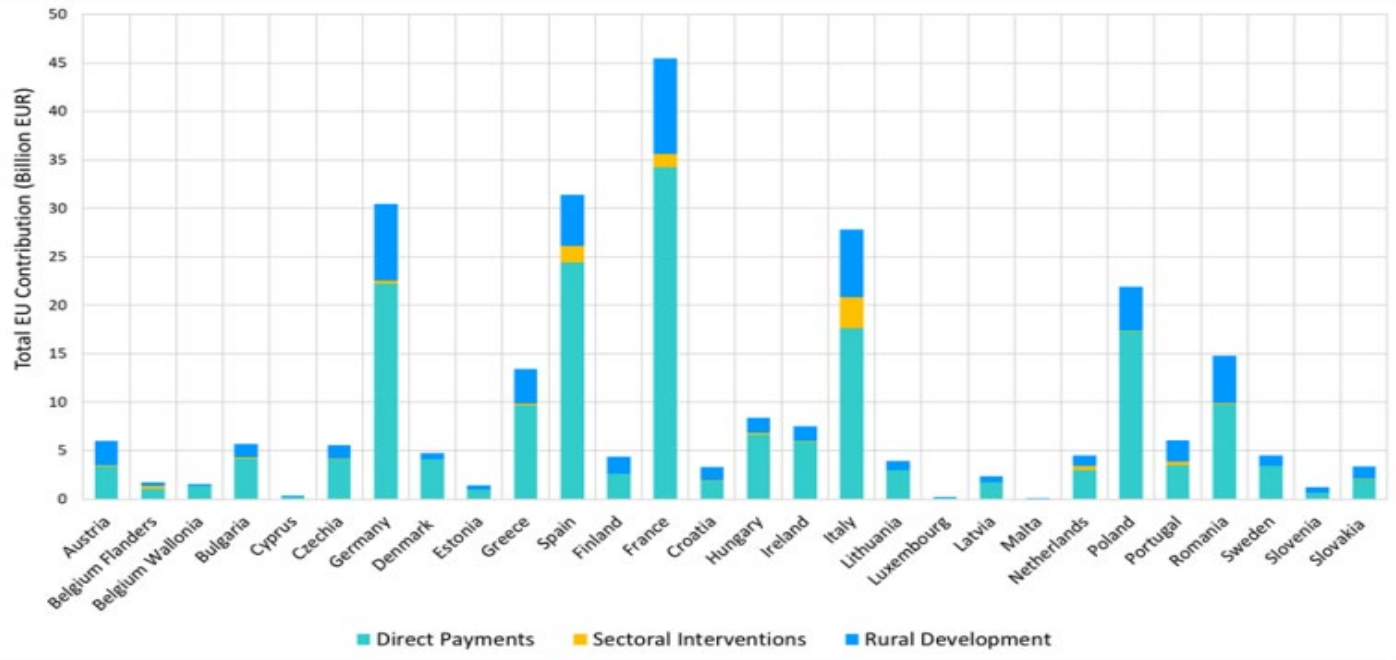
Study: CAP changes threaten smaller farms and risk more exits
The European Commission’s proposals for the 2028-2034 Multiannual Financial Framework (MFF) otherwise known as the EU Budget and the Common Agricultural Policy (CAP) would represent a significant restructuring of EU agricultural support and could threaten smal
 Agriculture
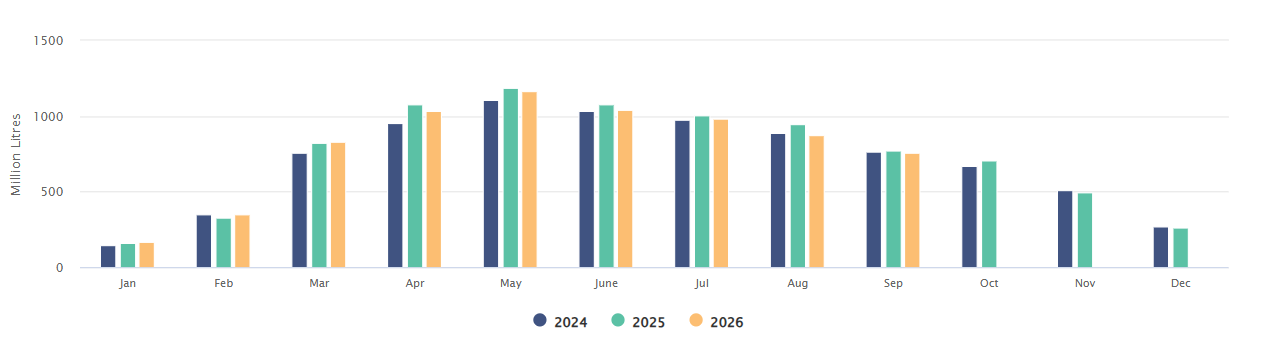
Domestic milk intake down almost 13 million litres in September
Domestic milk intake by milk processors and co-ops was estimated at 760.4 million litres in September 2026, according to the Central Statistics Office (CSO). According to the Milk Statistics September 2026 report, this is a decrease of 12.8 million litres or 1
 Agriculture
ESB Networks Autumn Safety Series 2026: Stay vigilant around electricity
The changes due in weather over the coming weeks, along with the onset of shorter days, is no doubt increasing the pressure on farmers to get field work completed. This extra pressure brings its own safety risks, and ESB Networks is asking farmers to also be m
 Agriculture
What is the expert advice for dry-off?
It is hard to think that dry-off is only around the corner, but there is no denying how quickly it is creeping up, so it is best to get prepared now. Realistically, a lot of farmers do not think about drying-off procedures until it is time to actually carry ou
Never miss a headline
The biggest stories in business and finance, delivered to your inbox. Join thousands of readers — unsubscribe any time.