What is the expert advice for dry-off?
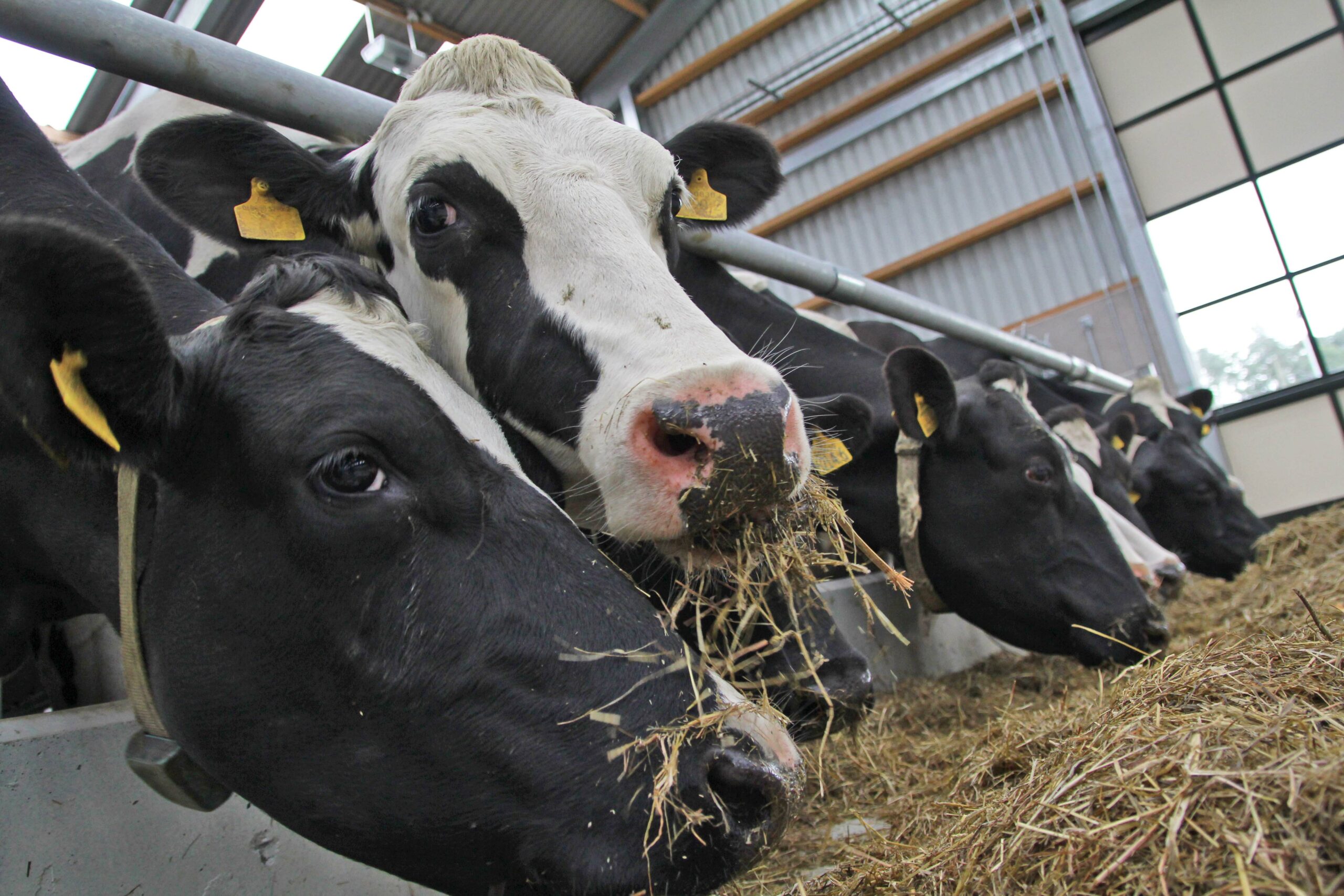
It is hard to think that dry-off is only around the corner, but there is no denying how quickly it is creeping up, so it is best to get prepared now.
Realistically, a lot of farmers do not think about drying-off procedures until it is time to actually carry out the task, as they follow the same routine year in and year out with the mindset that it is a straightforward task.
However, if farmers are not prepared before drying-off commences, they could face some difficulties with procedures such as selective dry cow therapy (SDCT), and find themselves left dealing with somatic cell count (SCC) issues in the following lactation.
Munster Bovine recently held a webinar for farmers highlighting some top tips for a successful dry-off ahead of the dry period.
Successful dry-off
The majority of cows need a minimum of six weeks dry, but farmers should aim to give them eight weeks to build energy reserves and condition before calving.
Cows which are under conditioned with a body condition score (BCS) below 3.0 to 3.25 at drying off may need up to 10 weeks to fully recover; the same goes for first lactation heifers.
If they do not get this time, they are liable to have a difficult calving and end up in a negative energy balance post-calving, which will in turn deplete their production.
Therefore, early planning is required to ensure you have a successful start to the milking season next year.
The best farms in terms of SCC will tell you preparations begin in March, when the first milk recording of the year analyses the success of the previous dry period, and where they need to improve for the coming season.
This early milk recording is something Don Crowley of Teagasc emphasised during the webinar.
Without milk recording, farmers essentially are working blind when using SDCT, which as a result may cost more than the €10-€17 per cow it costs to milk record in the first place.
Previous Teagasc studies have shown that herds being milk recorded have a gross margin of approximately €39 higher compared to those that do not record, with higher yielding cows producing lower somatic cell counts (SCC).
By reviewing the results from these milk recordings and following the traffic light systems, you can determine which cows may need to be culled; which cows should be dried off early to rebuild tissue in the udder; and which cows will and will not need antibiotic treatment.
When speaking about the first milk recording, Crowley said: “I think there is a real lack of understanding of the importance of this recording.”
He noted how many farmers are waiting until May when the majority of the herd is calved down, but they are not getting the full analysis of how the dry-off went, meaning improvements are never made.
Best practices
Once these results have being recorded and read to suit dry-off and cull cow strategies, farmers must begin to plan around the best practices when drying-off.
Farmers need to be aiming to dry cows at a production level of 9L per cow/day.
However with some farmers still pushing to finish out the rotation and supplementing with concentrates, a lot of the herd may be up around, if not over, the 15L/day mark.
It is important to quickly reduce that production level for any cows ready for dry-off by ceasing concentration feed and moving to once-a-day milking.
The following graph shows the impact milk yield at dry-off has on somatic cell counts. Source: Teagasc.
Before bringing cows in for drying-off, you need to ensure hygiene is at a top standard by thoroughly cleaning housing, holding yards, milking parlour, and even the cows themselves, such as clean udders and clipped tails.
Crowley also highly recommended taking milk cultures to find out which bacteria is the enemy.
He noted that the tube should not be held under the cow, instead the milk should be squirted out to meet it to prevent contamination.
When dry-off comes around, milk the cows as usual in the morning and carry out Californian milk testing ( CMT )
Source: Agriland. Summary reproduced for informational purposes.
Related
 Agriculture
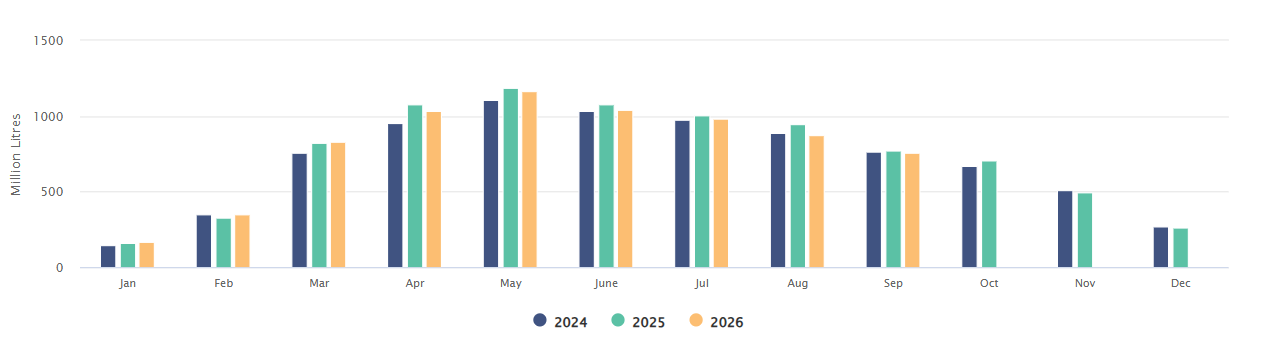
Domestic milk intake down almost 13 million litres in September
Domestic milk intake by milk processors and co-ops was estimated at 760.4 million litres in September 2026, according to the Central Statistics Office (CSO). According to the Milk Statistics September 2026 report, this is a decrease of 12.8 million litres or 1
 Agriculture
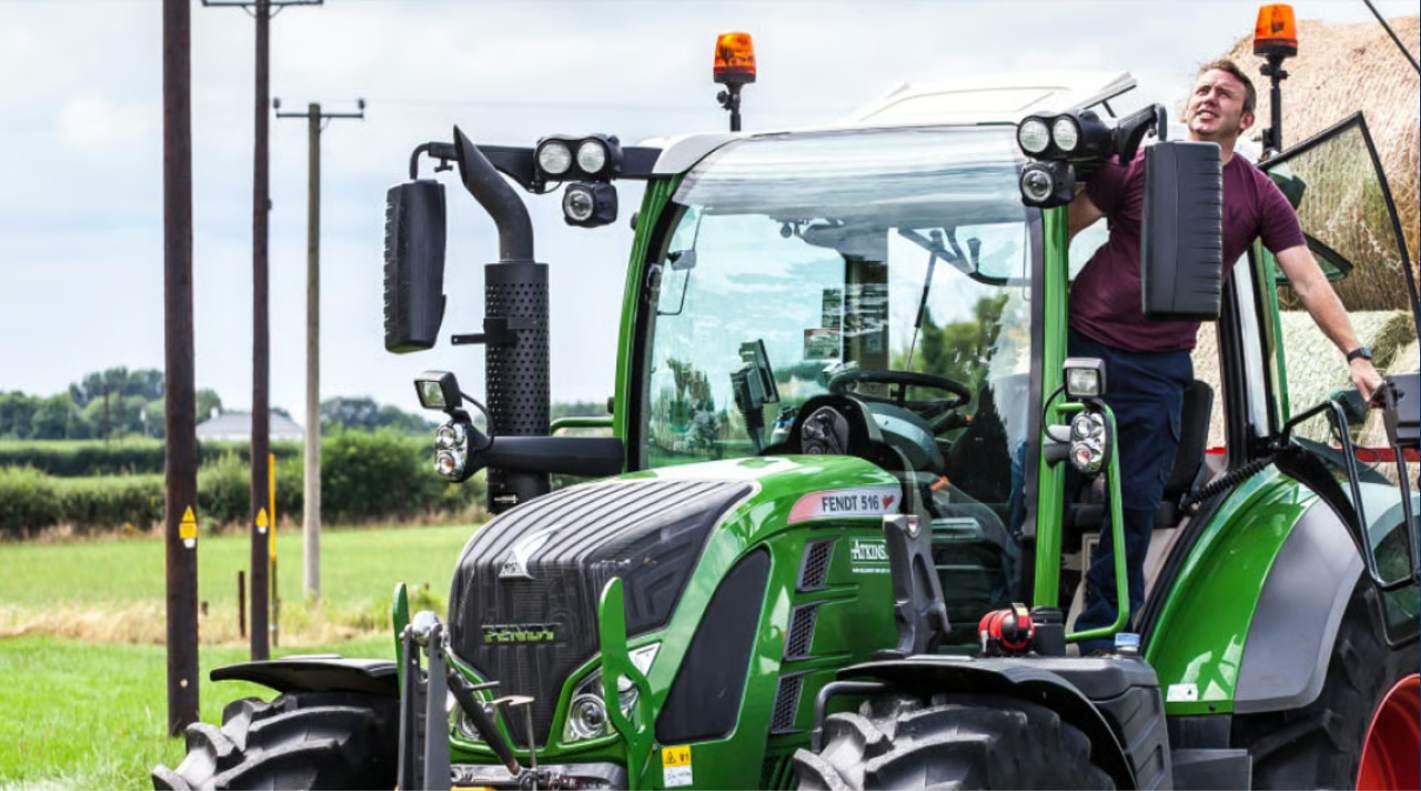
ESB Networks Autumn Safety Series 2026: Stay vigilant around electricity
The changes due in weather over the coming weeks, along with the onset of shorter days, is no doubt increasing the pressure on farmers to get field work completed. This extra pressure brings its own safety risks, and ESB Networks is asking farmers to also be m
 Agriculture
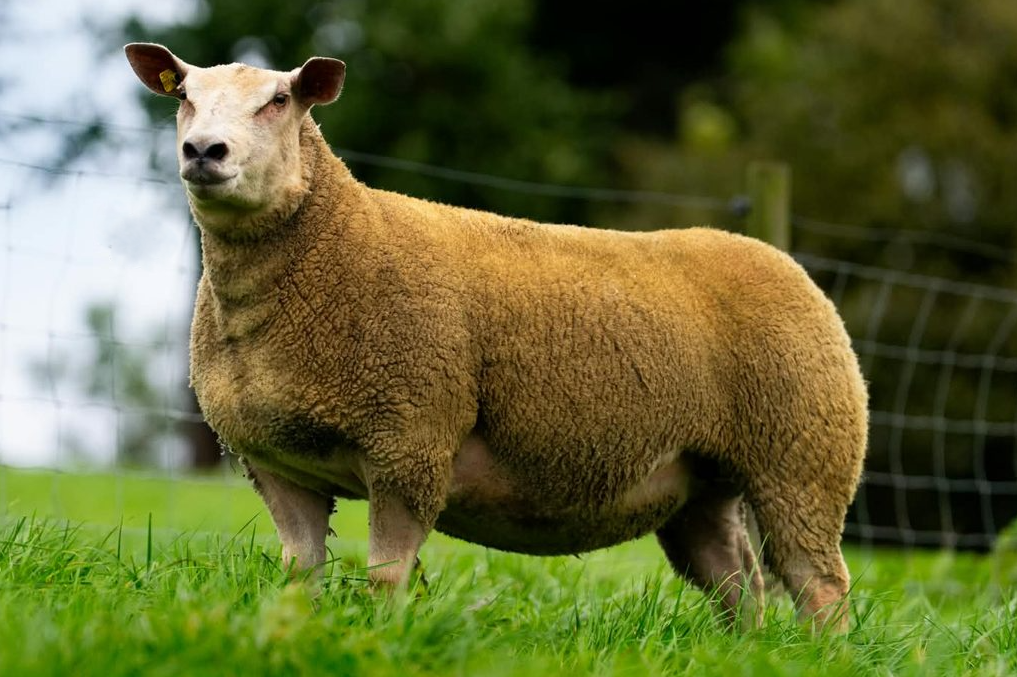
Genetic Jewels sale to feature 65 in-lamb Charollais on November 7
Blessington Mart in Co. Wicklow is set to host the Genetic Jewels sale on Saturday, November 7. A total of 65 in-lamb pedigree Charollais hoggets and ewe lambs are catalogued and the sale “promises to be an excellent chance to obtain some of the best Charollai
 Agriculture
Parasites cost farmers €181m per year
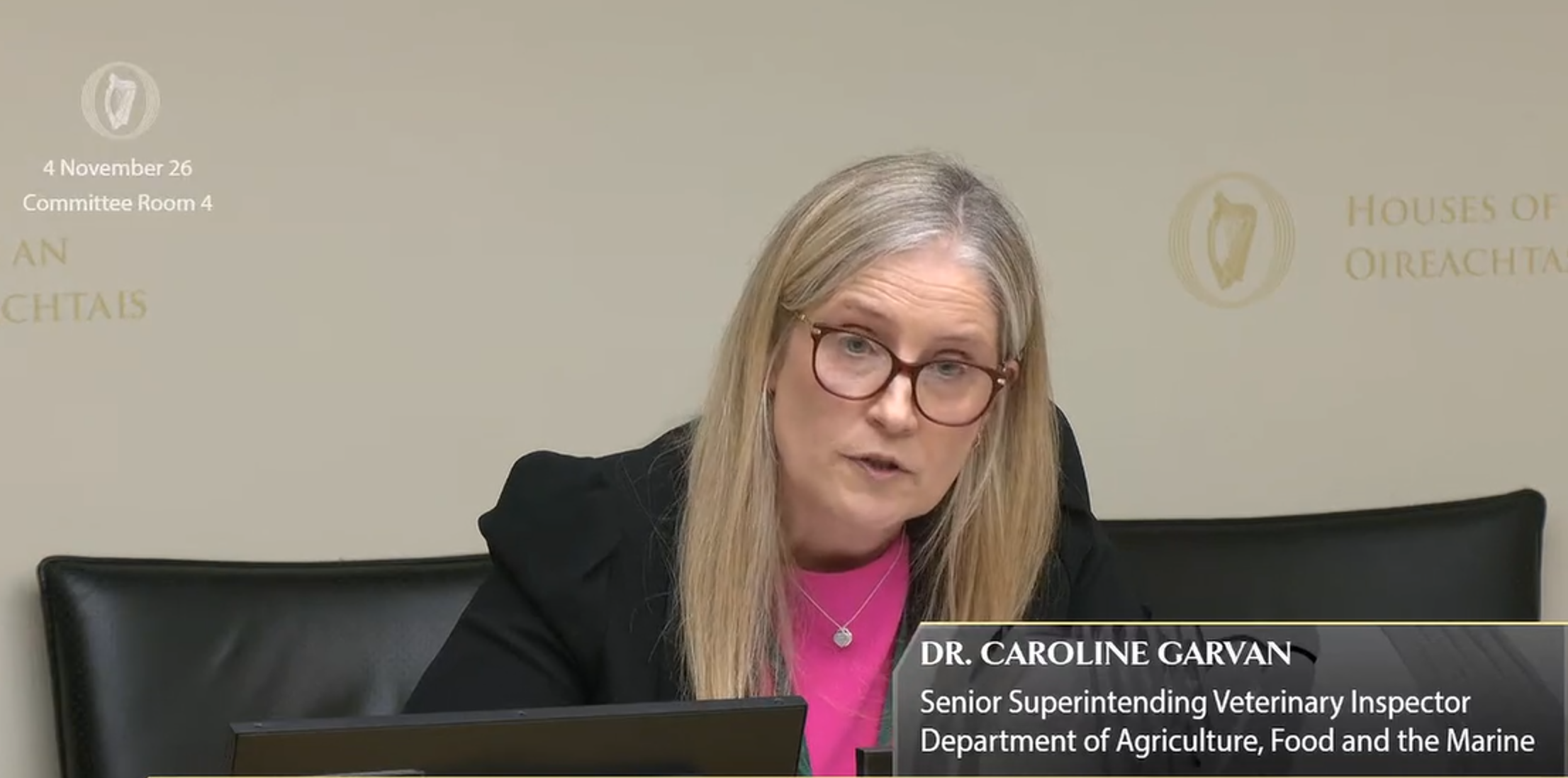
Parasite incur a cost of about €181 million on farmers every year an Oireachtas Committee has heard this evening (Wednesday, November 4). A review of the Veterinary Medicinal Products, Medicated Feed and Fertilisers Regulation Act 2023 is being discussed at th
Never miss a headline
The biggest stories in business and finance, delivered to your inbox. Join thousands of readers — unsubscribe any time.