Planting winter barley still an option
Planting winter barley remains an option in Northern Ireland according to crops’ specialist, Leigh McClean.
The College of Agriculture, Food and Rural Enterprise (CAFRE) adviser explained that this is particularly the case in areas such as Co. Down where high establishment rates can be achieved.
“Soil conditions have remained excellent over recent weeks, which has allowed growers to get on with the planting of winter cereals in a very effective manner.”
Recent days have seen the onset of much cooler weather conditions.
However, up to that point average daily temperatures had been much higher than would normally be expected for the late September/early October period.
The CAFRE tillage specialist went on to confirm that, while early sowing and settled weather improve the chance of successful crop establishment, they also bring the risk of Barley Yellow Dwarf Virus (BYDV) affecting cereal crops.
This significant yield robber is spread by migrating, infected aphids feeding on newly emerged seedlings.
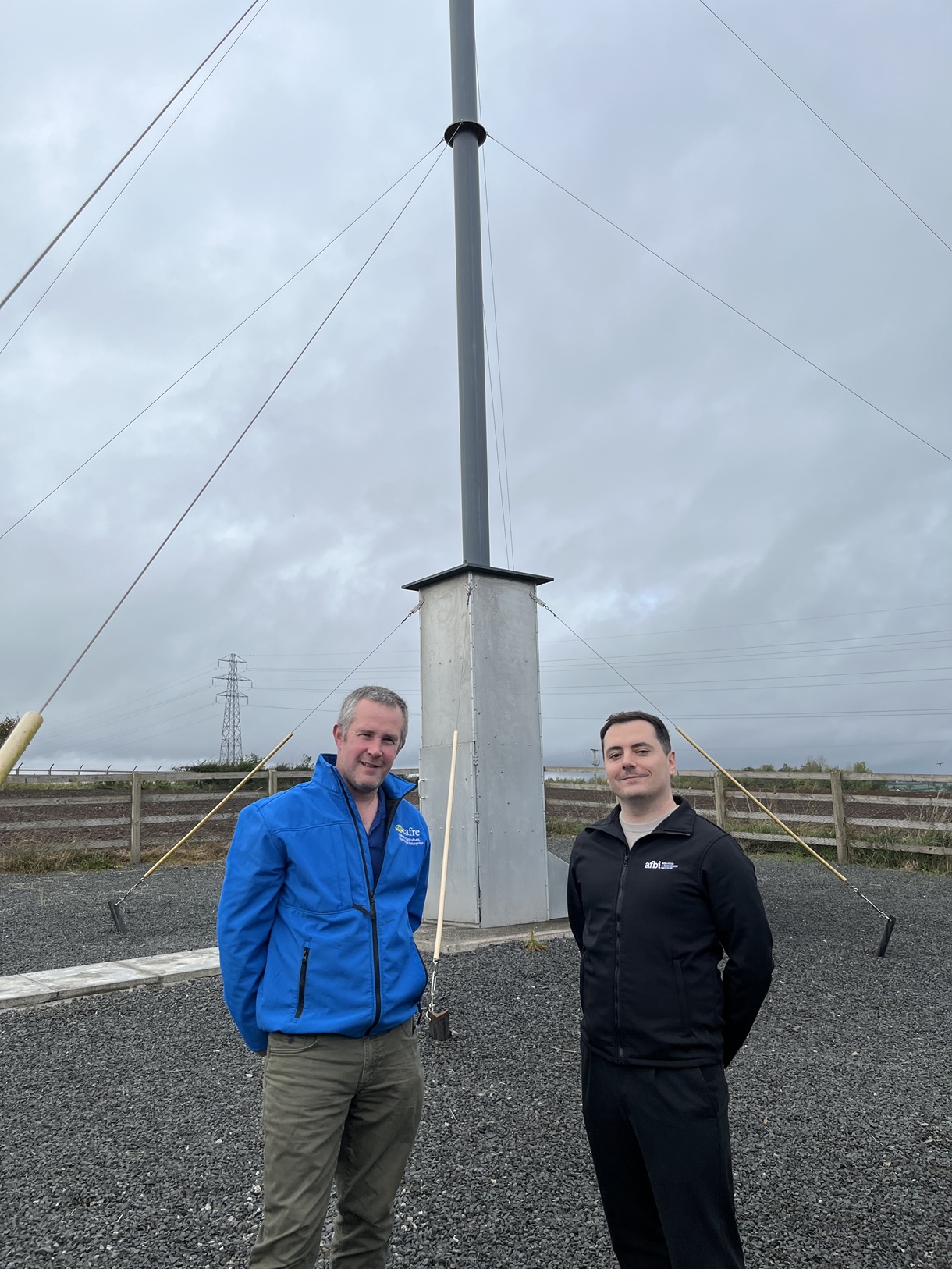
(L-r): Leigh McClean, CAFRE, and Daniel Leybourne, AFBI, at the aphid suction trap at AFBI, Crossnacreevy
The insects can be non-winged and move in from old crop residues and field margins or can be winged and therefore have the potential to travel from greater distances.
To monitor winged aphid numbers, the Agri-Food and Biosciences Institute (AFBI) collects samples using a suction trap on a weekly basis and publishes results online.
AFBI principal scientific officer, Daniel Leybourne said: “Aphid monitoring gives growers an indication of aphid numbers comparable to previous weeks and how the current season compares to the previous year and long-term average.
“Growers can use this information along with their farm situation to assess the risk to their own crops.”
Milder locations as well as sheltered fields at lower altitudes or proximity to the coast, along with early sowing can all increase the chance of BYDV infections.
Meanwhile, a newly launched BYDV tool , developed by the Agricultural and Horticultural Development Board (AHDB), allows growers to input their field location and estimates disease risk based on planned sowing date.
Alternatively, the tool can be used following sowing by entering field location and crop emergence date; it will then summarise the risk and indicate when to act.
Aphid control
Piecing together all the information and walking emerged crops to scout for aphids will help decide if it is necessary to act.
Where aphids are present and the risk of BYDV infection is high, a single pyrethroid application at the 2-3 leaf stage is effective in controlling aphids and reducing the level of BYDV infection for October-sown cereals.
For higher-risk September-sown cereals, a second spray may be justified to protect yield if mild settled conditions continue late into the autumn.
According to both CAFRE and AFBI, multiple pyrethroid applications should be avoided as they accelerate pyrethroid resistance in the aphid population, making BYDV control more difficult in future seasons.
Related Stories
Aphid control needed soon for winter cereal crops
Drop in temperature should reduce BYDV threat
An insight into Barley Yellow Dwarf Virus tolerance
.editor-styles-wrapper .wp-block-acf-related-stories-block { max-width: 960px !important; background-color: var(--color-gray-default); padding-inline: 40px; padding-top: 8px !important; padding-bottom: 20px !important; }
The post Planting winter barley still an option appeared first on Agriland.ie .
Source: Agriland. Summary reproduced for informational purposes.
Related
 Agriculture
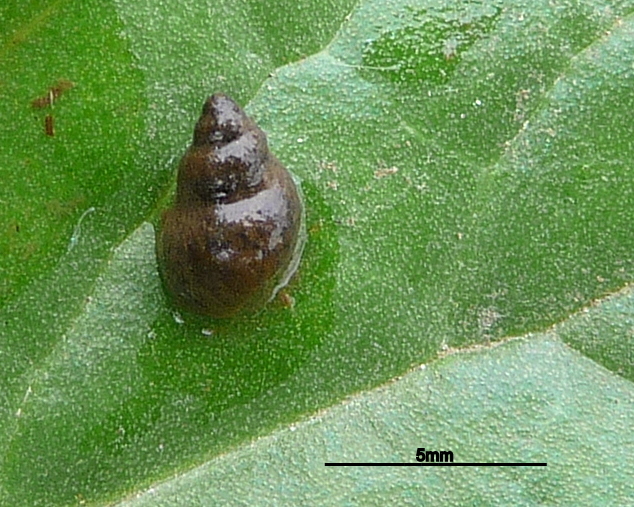
Warning of high liver fluke risk in livestock this winter
The Agri-Food and Biosciences Institute (AFBI) has warned of possible liver fluke infections in cattle and sheep this autumn and winter. Using a forecasting system based on climate data, staff at the institute have predicted that the overall risk of liver fluk
 Agriculture
Pics: Knoxtown heifers selling to the tune of €8,100 at dispersal sale
The dispersal sale of the well-known Knoxtown pedigree registered herd in Clonroche Co. Wexford took place on farm this week. The herd, which is run by Sean and Breda Murphy alongside their son Gearóid, is known for high-quality families such as Dairymaid, Erl
 Agriculture
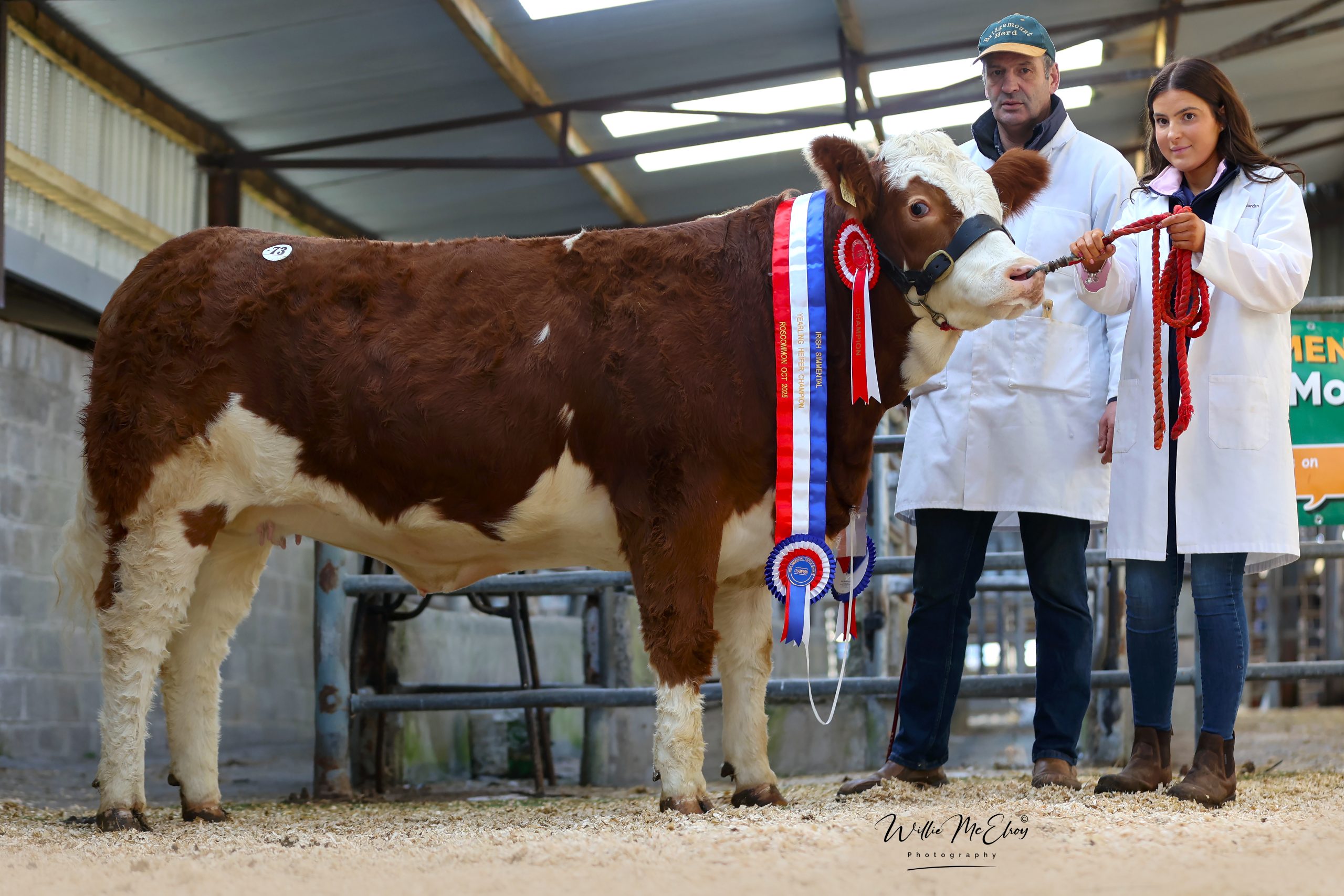
Simmental Premier Show and Sale set for Roscommon this Saturday
The Irish Simmental Cattle Society’s Premier Show and Sale will take place at Roscommon Co-Operative Livestock Mart this Saturday (October 24). The sale is expected to feature almost 50 bulls and 80 heifers and according to the cattle breed society “will affor
 Agriculture
Three ways to boost the UK’s fragile food security | Letters
Damien Conrad makes the case for local food hubs, Simon Tompsett promotes growing your own food, and Alex Robinson points to reducing waste Your editorial is right to warn that Britain’s food system leaves us dangerously exposed ( The Guardian view on food sec
Never miss a headline
The biggest stories in business and finance, delivered to your inbox. Join thousands of readers — unsubscribe any time.