Are trace element deficiencies holding back your weaned calves?
Once calves begin grazing and developing into functional ruminants, their demand for key trace elements increases significantly.
Deficiencies in copper, selenium, cobalt and iodine can have a major impact on performance, often before obvious clinical signs appear.
Affected calves may show:
Reduced daily liveweight gain;
Poor thrive and reduced feed efficiency;
Increased susceptibility to pneumonia and other diseases;
Dull coats and poor overall condition;
Delayed development and reduced future productivity.
Copper plays a vital role in growth, immunity and enzyme function, while selenium supports muscle development and disease resistance.
Cobalt is essential for vitamin B12 production in the rumen, helping convert feed into energy, and iodine is critical for normal metabolic function and growth.
Subclinical deficiencies are particularly costly, as calves may appear healthy while failing to reach their growth potential.
As grazing seasons progress, forage mineral levels can vary considerably, increasing the risk of deficiencies on some farms.
Top Tip: If calf performance is below expectations, consider trace element status as part of your investigation.
Early identification and appropriate supplementation can help maintain growth rates, support immunity and maximise lifetime productivity.
How COSEICURE Calf can help
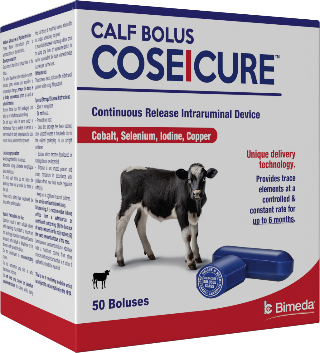
COSEICURE Calf unique soluble glass trace element boluses are formulated to be compatible with the daily trace element requirements of growing calves.
The bolus provides a consistent daily supply of cobalt, selenium, iodine, and copper for up to six months.
The bolus is suitably sized for ease of administration.
COSEICURE Calf is available from your vet or local animal health merchant.
Click here to find out more
Bimeda can be contacted on:
Bimeda Ireland
Tel: 01 466 7941
Email: VetOrdersIE@bimeda.com
The post Are trace element deficiencies holding back your weaned calves? appeared first on Agriland.ie .
Source: Agriland. Summary reproduced for informational purposes.
Related
 Agriculture
Why silage testing is a smart investment
When farmers are drawing up fodder budgets this month, it may be well worth their while to silage test the crop already in the yard. Despite the drought impacting fertiliser applications, a lot of farms will be hoping to get another cut in at the end of the mo
 Agriculture
Country diary: Rare Wensleydale sheep have their day in the sun | Andrea Meanwell
Garstang, Lancashire: With fedora and broken shepherd’s crook, I was a judge at an agricultural show, inspecting the mouths and fleeces of some fantastic breeds As I walked across the show field in the sunshine on my way to the secretary’s tent, my shepherd’s
 Agriculture
After decades of decline, New Zealand’s wool industry is making a comeback
Forty years ago there were more than 22 sheep to every New Zealander, but wool prices and production declined with the uptake of synthetic alternatives John Hargreaves’ family has farmed sheep and beef in Kaiwaka, north of Auckland, for generations. In the 196
 Agriculture
Are bluetongue-infected midges on the way from the UK?
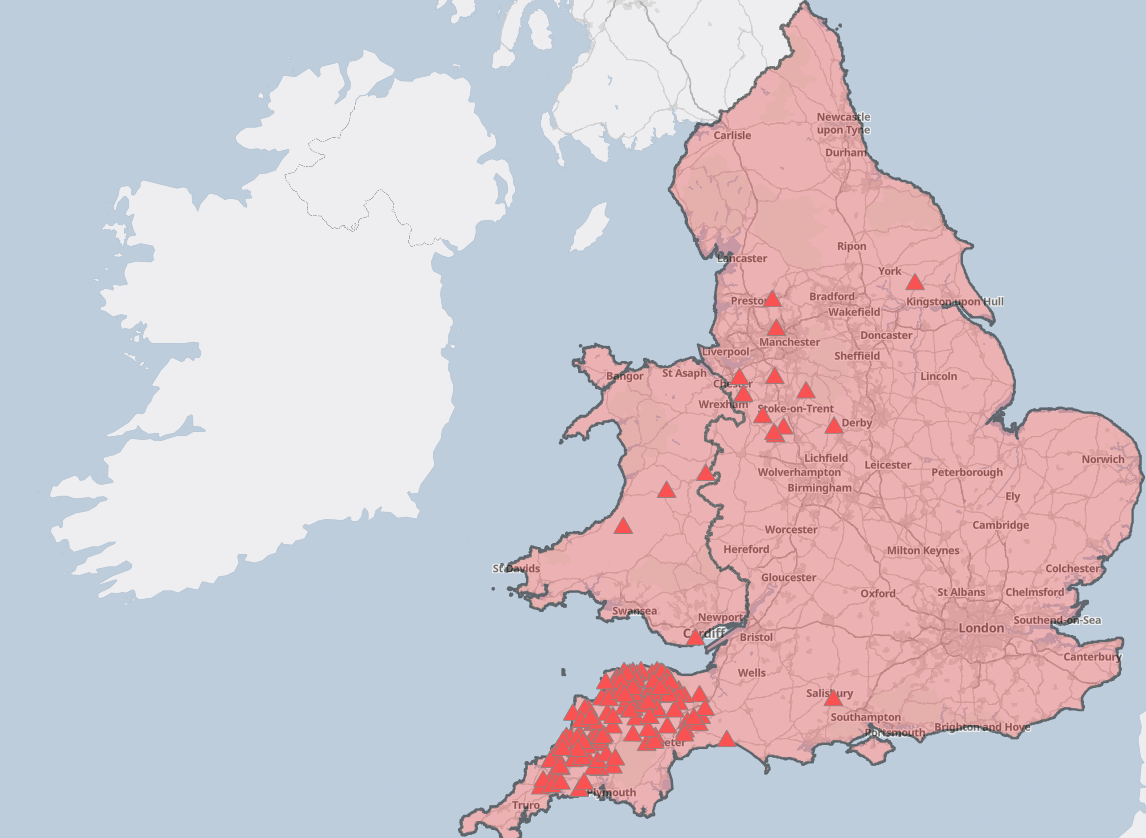
If weather conditions allow the migration of infected midges from the UK across the Irish Sea to Ireland this autumn, we could see increased cases of bluetongue here. According to the National Disease Control Centre (NDCC) in Ireland, there has been a signific
Never miss a headline
The biggest stories in business and finance, delivered to your inbox. Join thousands of readers — unsubscribe any time.