Getting ready for your Bord Bia dairy audit
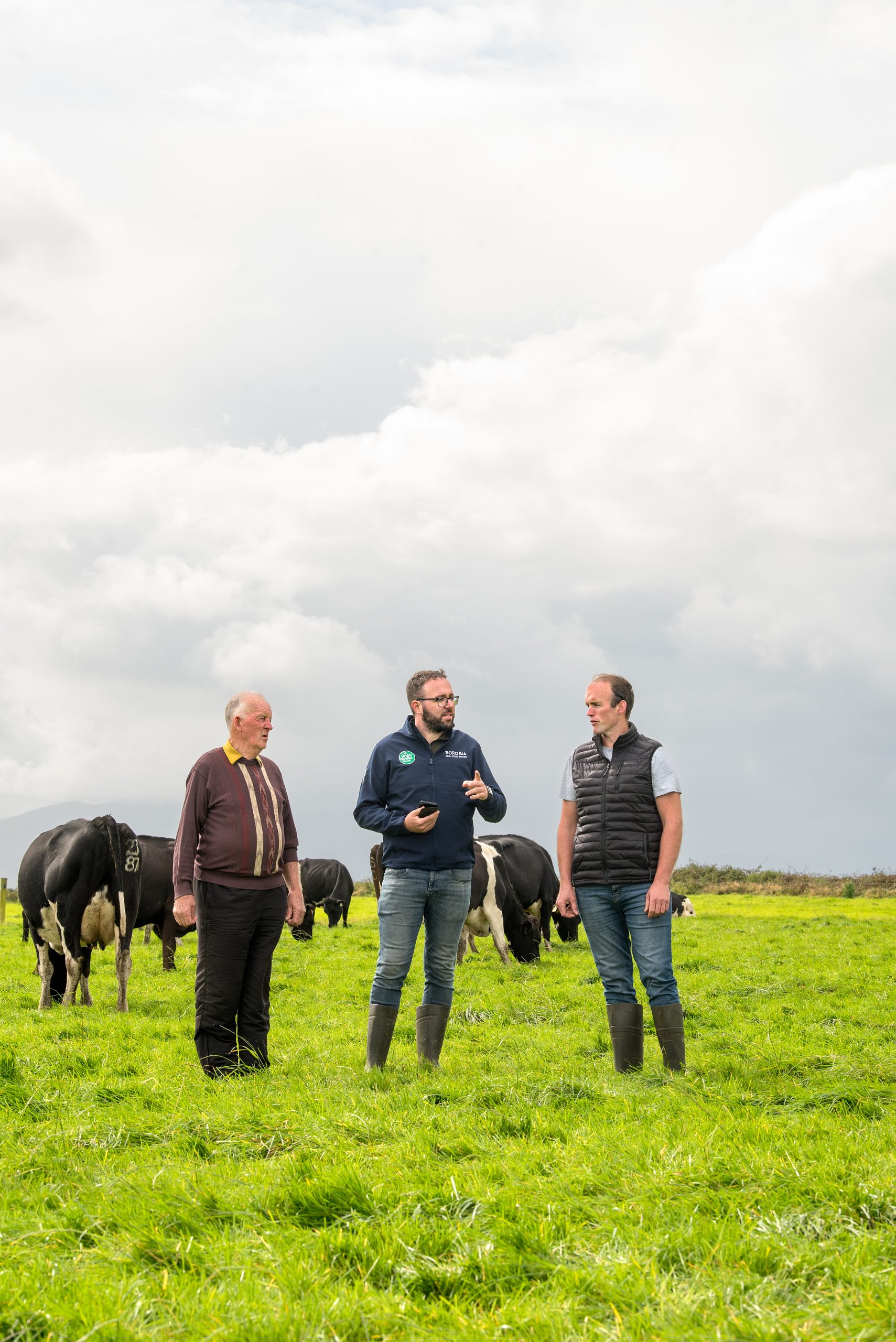
Bord Bia audits under the Sustainable Dairy Assurance Scheme (SDAS) are essential to supporting the Irish dairy sector.
The data collected helps Bord Bia and Irish dairy processors to substantiate environmental and quality claims about Irish dairy.
These assurances are vital in a competitive global market, where buyers increasingly require robust data on sustainability, quality, and animal welfare.
Preparing for your Bord Bia audit is straightforward when you know what to expect. This guide offers practical advice to help you get ready and highlights the key checks to make before the audit.
Set the date
A key step in preparing for your renewal audit is to schedule a date and time with the auditor as soon as you are contacted.
This ensures that certification remains active while the renewal process is ongoing.
Completing the audit early will not shorten your certification period – your next 18-month cycle still starts from your current expiry date.
What to expect on the day?
When the auditor arrives, they will first explain the process during the opening meeting and answer any questions you may have.
They will then walk around the farm with you, looking at stock, housing, equipment, and the farmyard.
Most aspects of the audit are completed through observation of good farm practices and conversations with you about your typical farm operations.
Following the farm walk, the auditor will carry out some paperwork and record checks to confirm that the information gathered during the walk matches the farm records.
During the audit, the auditor will discuss any findings with you as they arise and will go through everything again with you before leaving the farm (the closing meeting).
A typical dairy audit lasts 2 to 2.5 hours, but the better prepared you are, the shorter the audit will be.
What happens after the audit?
At the end of the audit, the auditor will explain if any issues are identified as non-conformances.
Rest assured, you will not fail the audit on the day if any issues arise. Instead, you will be given up to 28 days to address the issue (or issues) and provide evidence that corrective action has been taken.
For example, if an auditor identifies that a lagoon is unsafe, they may request a photo within 28 days showing that the lagoon has been made safe.
Evidence can be sent by text message to the Bord Bia Helpdesk or if preferred by email or post. You can also upload evidence by logging onto farm.bordbia.ie.
You can nominate an individual, such as a relative or neighbour, to do this on your behalf.
Your milk processor will also be able to assist you with close-out and related queries.
This ‘close-out’ process does not apply if no issues are found during the audit.
Common non-compliances
Dairy hygiene
During the farm walk, the auditor will check that the milking parlour and bulk tank area are clean, tidy and well maintained, with washable surfaces and no obvious risks to milk hygiene.
They may also review recent milk collection dockets and milk analysis results to confirm that milk quality is within regulatory limits.
Ensure potable water is available for hand washing and for cleaning all milk-contact surfaces, and store cleaning products safely.
Water test
If you use a private well for dairy washing, make sure you have a valid water test report.
The test must be less than three years old and show that Enterococci and E. coli are absent in 100ml.
A report is not required if your water comes from a group water scheme.
Farm safety
For farm safety, ensure you have a completed and up-to-date Farm Safety Risk Assessment (FSRA).
Where three or more people are employed on the farm, an up-to-date Farm Safety Statement (FSS) is required instead.
This is also a legal requirement designed to reduce the risk of injury or ill health.
An incomplete, outdated, or unreviewed assessment or statement may result in a non-compliance. Before the audit, check that the correct document is in place and up to dat
Source: Agriland. Summary reproduced for informational purposes.
Related
 Agriculture
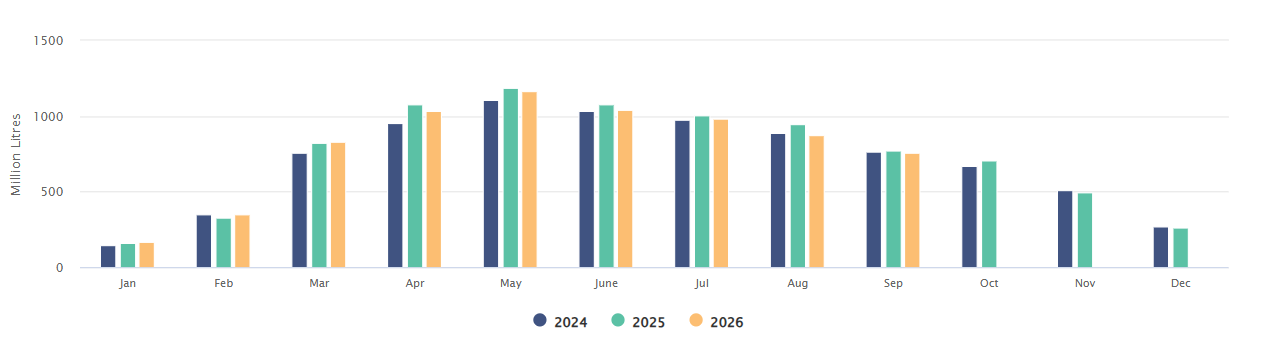
Domestic milk intake down almost 13 million litres in September
Domestic milk intake by milk processors and co-ops was estimated at 760.4 million litres in September 2026, according to the Central Statistics Office (CSO). According to the Milk Statistics September 2026 report, this is a decrease of 12.8 million litres or 1
 Agriculture
ESB Networks Autumn Safety Series 2026: Stay vigilant around electricity
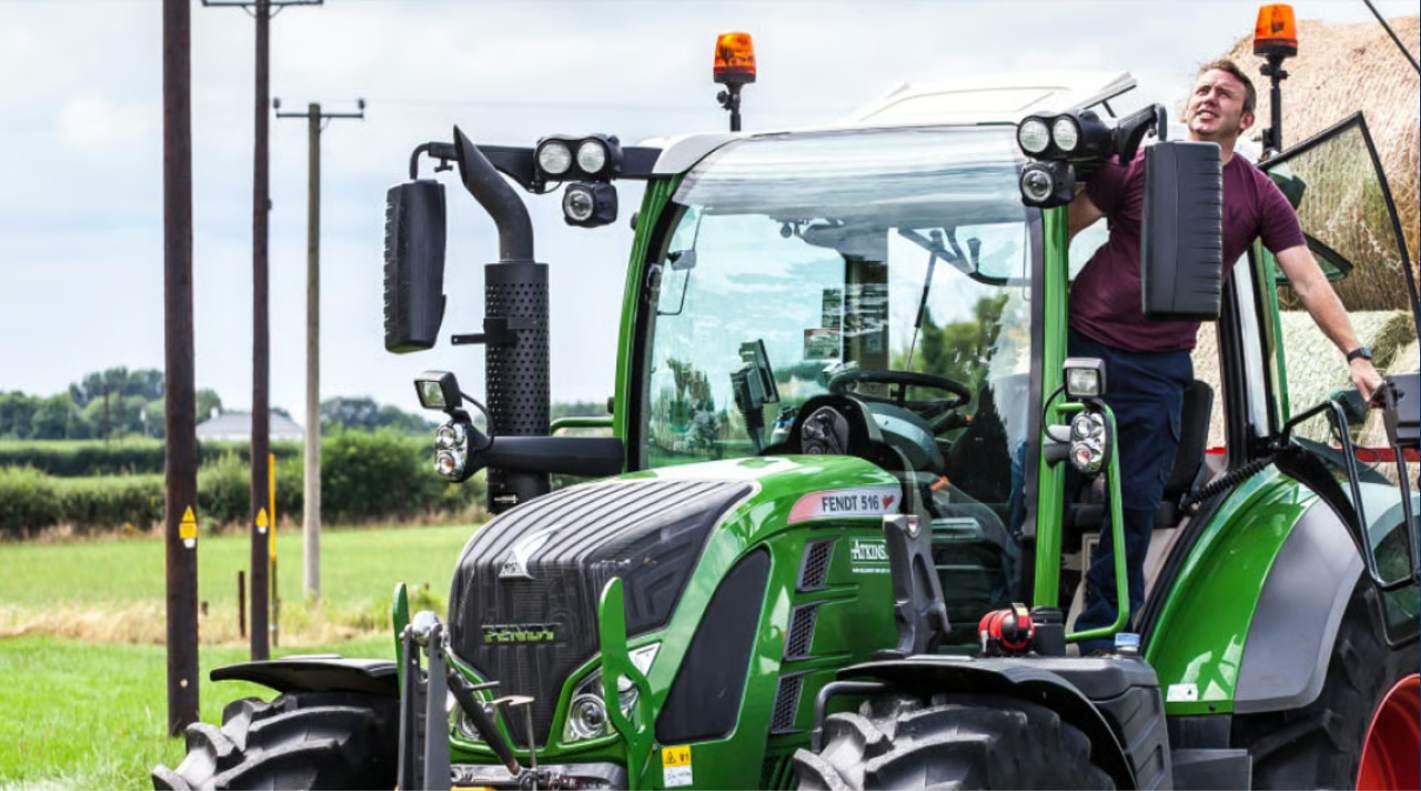
The changes due in weather over the coming weeks, along with the onset of shorter days, is no doubt increasing the pressure on farmers to get field work completed. This extra pressure brings its own safety risks, and ESB Networks is asking farmers to also be m
 Agriculture
What is the expert advice for dry-off?
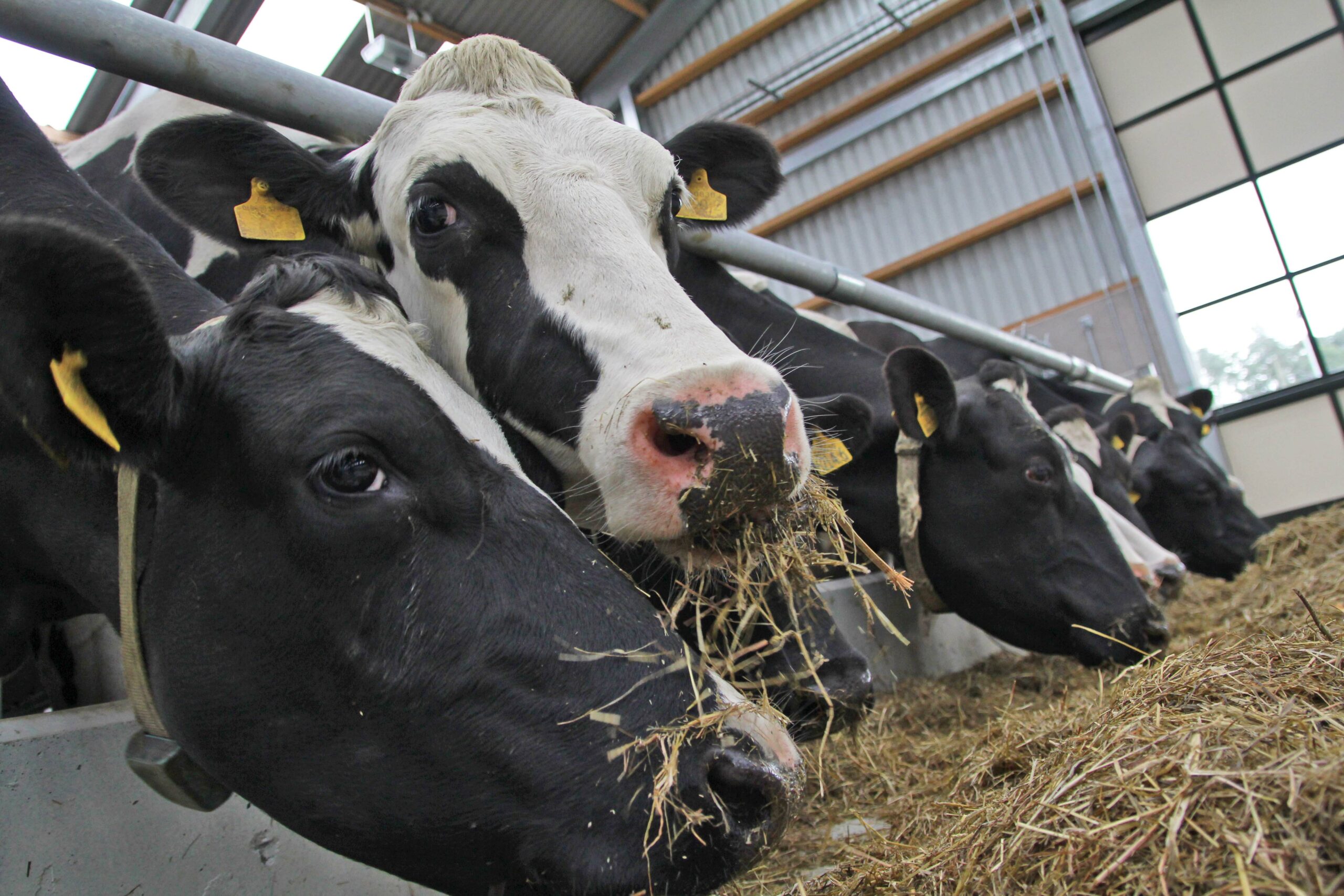
It is hard to think that dry-off is only around the corner, but there is no denying how quickly it is creeping up, so it is best to get prepared now. Realistically, a lot of farmers do not think about drying-off procedures until it is time to actually carry ou
 Agriculture
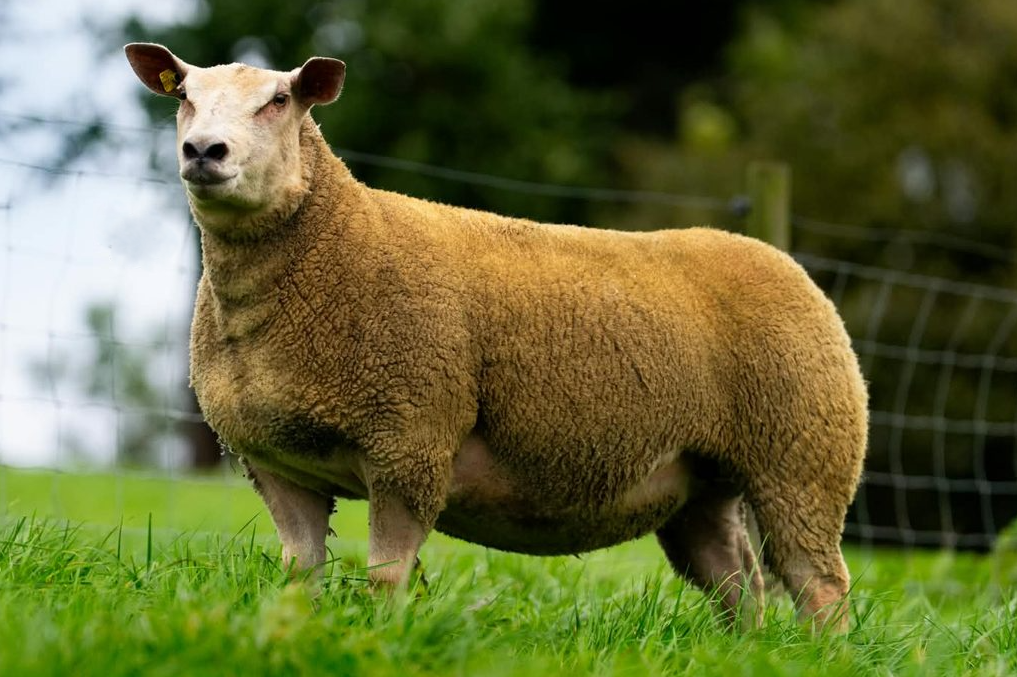
Genetic Jewels sale to feature 65 in-lamb Charollais on November 7
Blessington Mart in Co. Wicklow is set to host the Genetic Jewels sale on Saturday, November 7. A total of 65 in-lamb pedigree Charollais hoggets and ewe lambs are catalogued and the sale “promises to be an excellent chance to obtain some of the best Charollai
Never miss a headline
The biggest stories in business and finance, delivered to your inbox. Join thousands of readers — unsubscribe any time.