Irish farmers helping develop new sheep genomic breeding values
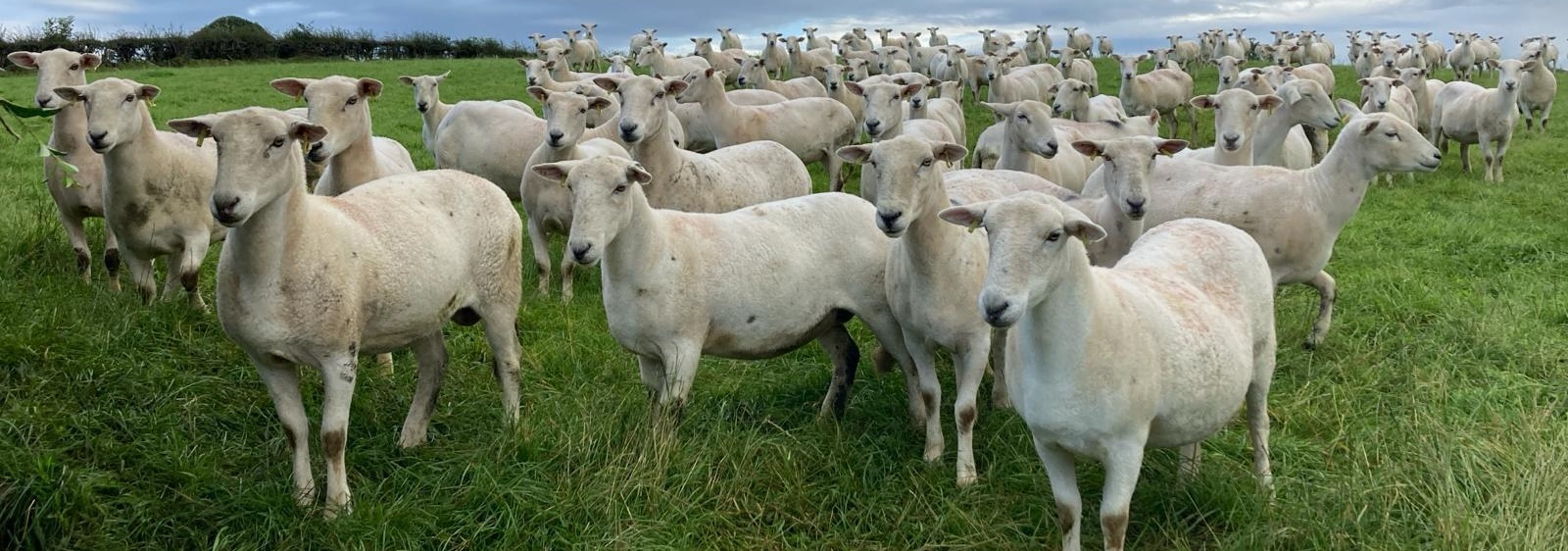
The involvement of a Co. Antrim farmer has been instrumental in allowing Signet to develop new genomic breeding values for the sheep sector.
Results generated from EasyCare and Wiltshire Horn flocks owned by Campbell Tweed have been key to making this possible.
The new figures will be used to deliver more meaningful performance-related results across the UK and Irish sheep industries as a whole.
An integral part of the Agricultural and Horticultural Development Board (AHDB), Signet provides genetic evaluation for sheep and cattle, helping farmers track and improve livestock traits.
Campbell Tweed farms close to the village of Carncastle in east Co. Antrim.
He commented: “We have been genomically assessing both our EasyCare and Wiltshire Horn sheep for many years with Signet, Sheep Ireland and the Roslin Institute.
“All of this data was made available to each organisation for the purpose of developing the new genomic breeding values, researching various traits and possible linkages alongside physical performance information.
“The results of this work are highly significant. Looking ahead there are plans to further develop sheep evaluation programmes here in Northern Ireland.
“The work will jointly assess genomic and physical performance traits. It will involve collaboration between CAFRE and AgriSearch.
“If successful, it will put Northern Ireland well ahead of most countries in Europe from a sheep breeding perspective.”
Genomic breeding values
On the back of the new Signet scheme, sheep producers can now make earlier, more reliable breeding decisions using updated genomic breeding values for maternal breeds.
The new breeding values are available for Lleyn, Exlana, Wiltshire Horn, Romney, Easycare, and Wool Shedding Composite sheep.
By combining DNA information with performance records, they provide a more accurate prediction of each animal’s genetic potential, giving breeders greater confidence when selecting replacements and breeding stock.
The evaluation draws on more than 28,000 genotypes generated through levy-funded work and collaborations with breeders, breed societies and research programmes, including Breed for CH4nge and the Welsh Sheep Genetics Programme.
EasyCare sheep
Genomic information strengthens the reliability of predictions for young animals before extensive performance records are available.
It also helps verify parentage, maintain pedigree accuracy and improve comparisons between flocks, particularly for traits that are difficult, expensive or take a long time to measure, such as milk production and longevity.
With more dependable information available sooner, breeders can select and use young rams earlier, shorten the generation interval and increase the rate of genetic improvement within their flocks.
Samuel Boon, AHDB senior animal breeding manager at Signet, commented: “Being able to predict how a ram’s daughters will perform before they enter the breeding flock is a major advantage for maternal breeding programmes.
“Genomic services go well beyond individual gene tests, such as those for scrapie resistance, by providing a more complete picture of an animal’s genetic potential.
“They should become a key part of breeding programmes seeking faster, more reliable genetic improvement.”
For young or previously unrecorded sheep, genomic information provides a more reliable starting point in the evaluation. It also improves the accuracy of breeding values for animals with established performance records.
The launch of the new scheme extends Signet’s rollout of genomic breeding values, following their introduction for hill sheep in 2023 and terminal sire breeds in 2024.
Signet evaluates around 35,000 lambs from maternal breeds each year.
The maternal analysis also includes breeds such as the Bluefaced Leicester, Charmoise Hill and Roussin, for which genotypes are being collected to support possible future inclusion.
The post Irish farmers helping develop new sheep genomic breeding valu
Source: Agriland. Summary reproduced for informational purposes.
Related
 Agriculture
Domestic milk intake down almost 13 million litres in September
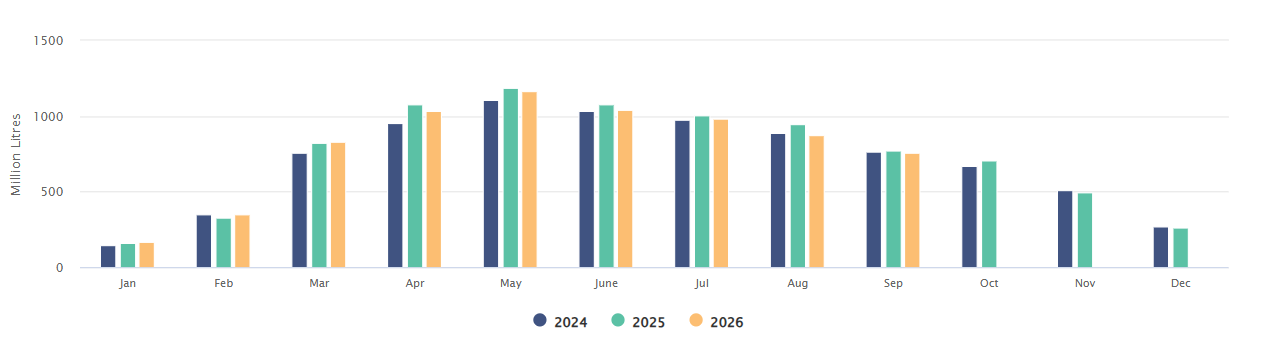
Domestic milk intake by milk processors and co-ops was estimated at 760.4 million litres in September 2026, according to the Central Statistics Office (CSO). According to the Milk Statistics September 2026 report, this is a decrease of 12.8 million litres or 1
 Agriculture
ESB Networks Autumn Safety Series 2026: Stay vigilant around electricity
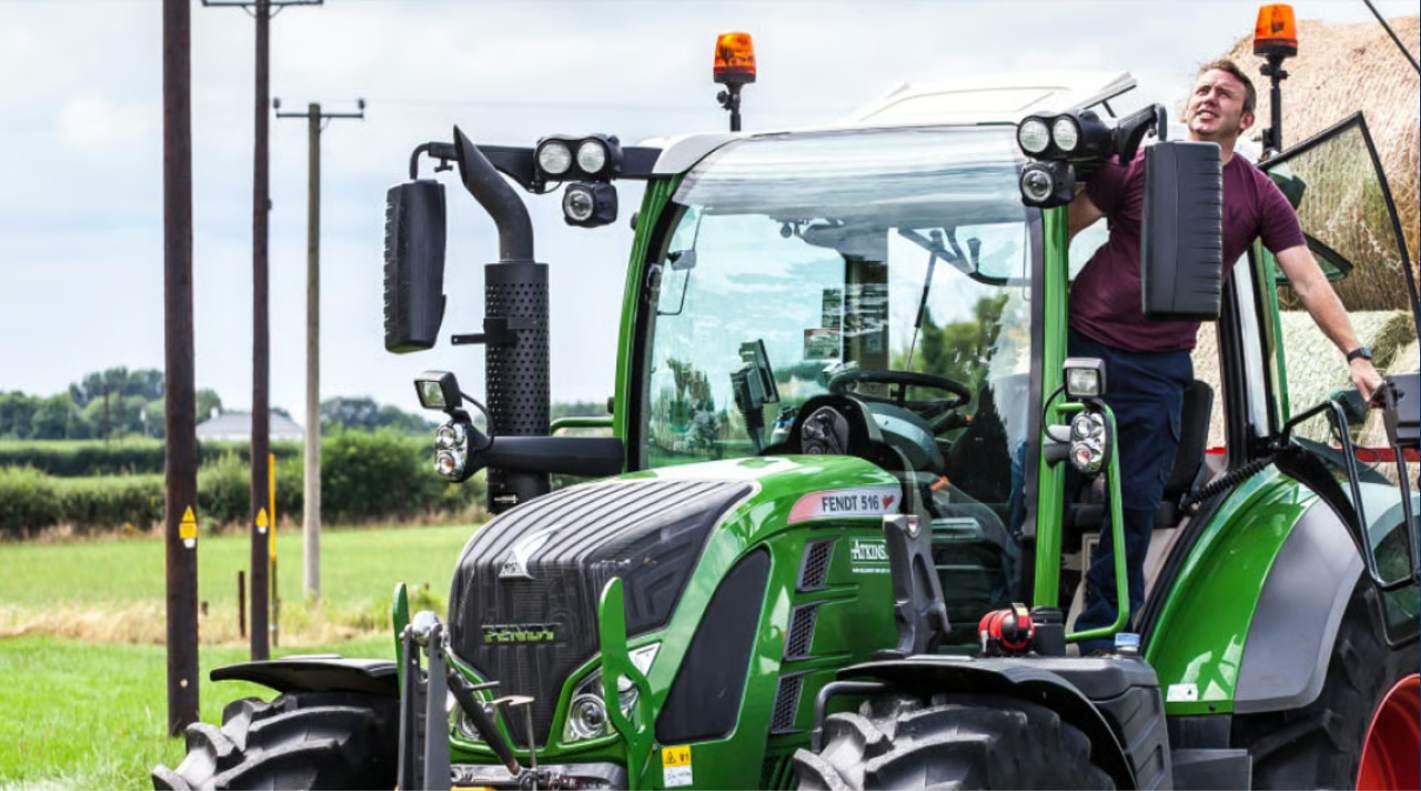
The changes due in weather over the coming weeks, along with the onset of shorter days, is no doubt increasing the pressure on farmers to get field work completed. This extra pressure brings its own safety risks, and ESB Networks is asking farmers to also be m
 Agriculture
What is the expert advice for dry-off?
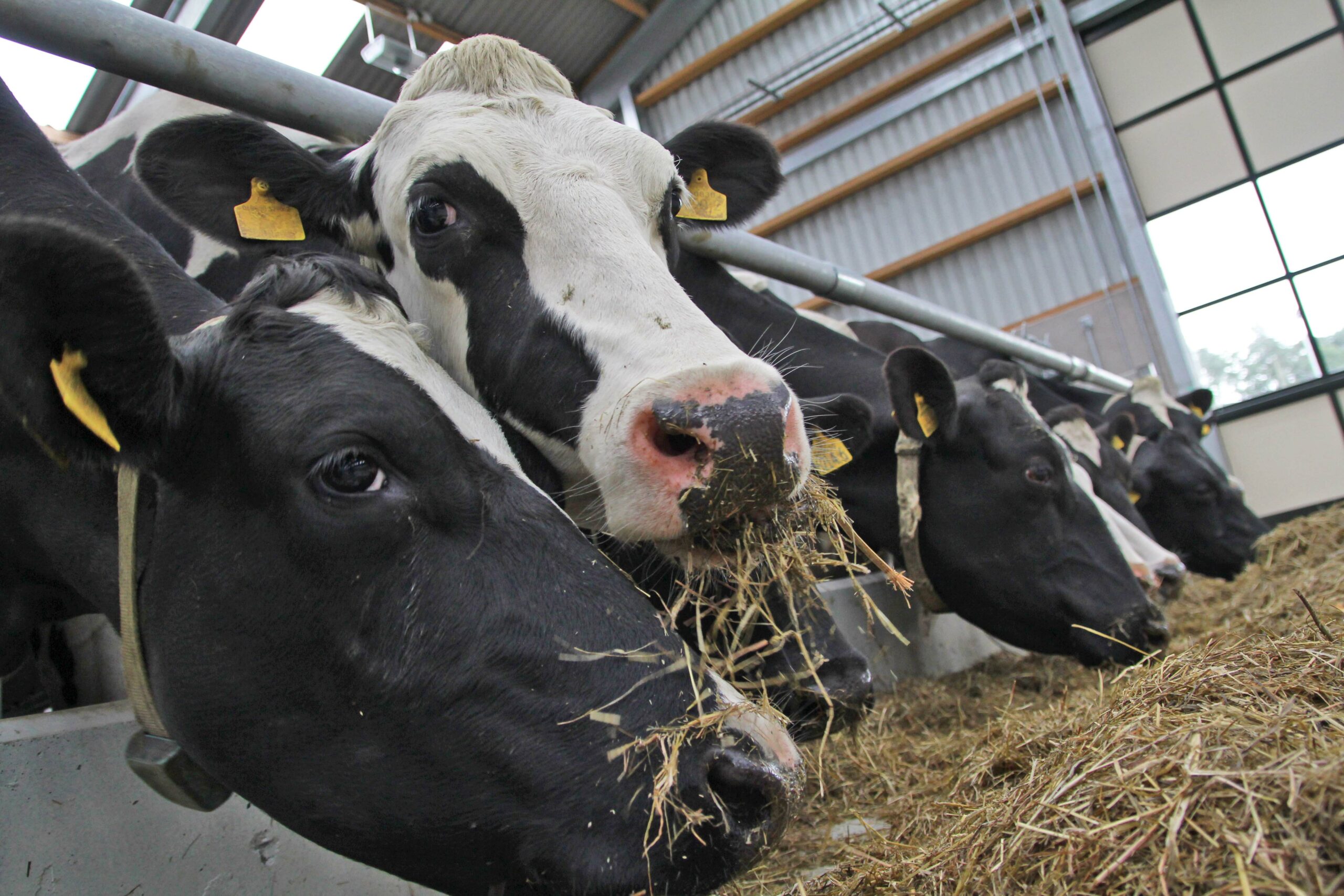
It is hard to think that dry-off is only around the corner, but there is no denying how quickly it is creeping up, so it is best to get prepared now. Realistically, a lot of farmers do not think about drying-off procedures until it is time to actually carry ou
 Agriculture
Genetic Jewels sale to feature 65 in-lamb Charollais on November 7
Blessington Mart in Co. Wicklow is set to host the Genetic Jewels sale on Saturday, November 7. A total of 65 in-lamb pedigree Charollais hoggets and ewe lambs are catalogued and the sale “promises to be an excellent chance to obtain some of the best Charollai
Never miss a headline
The biggest stories in business and finance, delivered to your inbox. Join thousands of readers — unsubscribe any time.