Mastitis: Could your cubicles be costing you more than you think?
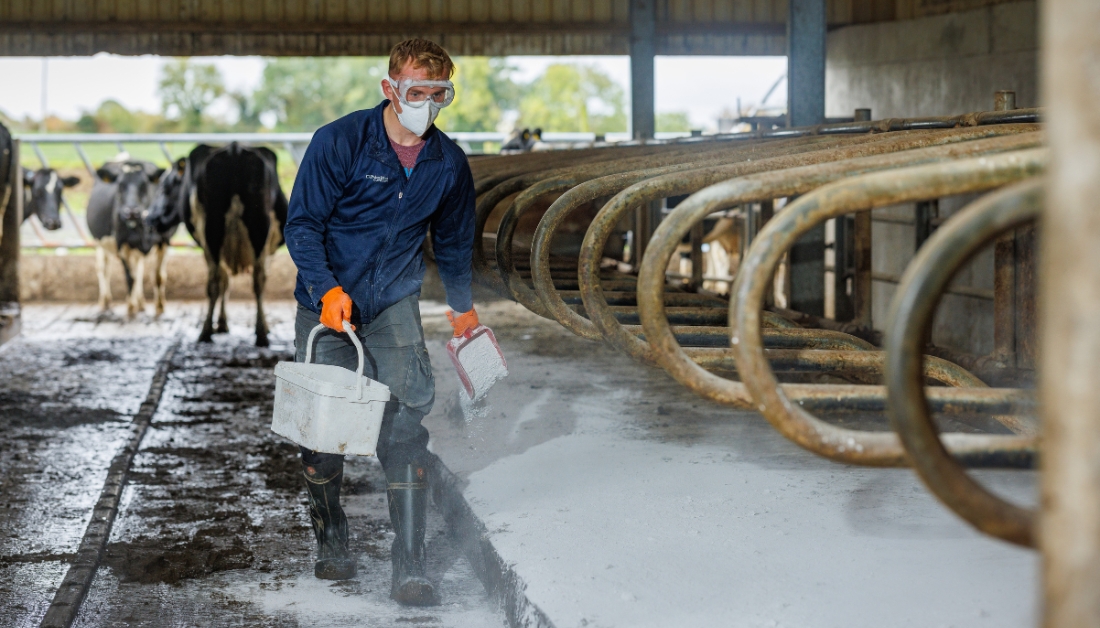
With a mild case of mastitis estimated to cost around €200 and a severe case more than €700, keeping the cow’s environment clean and dry during the housing period can have a very real financial value.
When cows come indoors for the winter, attention naturally turns to feed, ventilation, slurry management and cow comfort.
But there is another cost that can quietly eat into the profitability of the herd during the housing period: mastitis.
The financial impact stretches well beyond the price of a tube or a veterinary call-out.
The costs associated with clinical mastitis can include antibiotics, discarded milk, additional labour, veterinary attention and, in more serious cases, culling or mortality.
There is also the less visible cost associated with reduced milk production and elevated somatic cell count (SCC).
It is estimated that a mild case of mastitis costs approximately €200, while a severe case can cost more than €700 when the associated production losses are included.
Put that into the context of a dairy herd and prevention suddenly isn’t just an animal-health issue. It’s an economic one.
Why the cubicle environment matters
Environmental mastitis is associated with bacteria present in the cow’s surroundings.
During housing, faeces, urine, moisture and leaked milk can contaminate cubicle surfaces.
The warmth transferred from the cow to the bed can also help create conditions in which bacteria survive and multiply.
When a cow lies down, her teats may come into contact with that contaminated surface.
This can increase the bacterial challenge, particularly if beds are allowed to remain wet or heavily soiled.
The risk deserves particular attention around the dry period and calving, when good environmental hygiene forms an important part of protecting udder health.
No single product can eliminate mastitis, but farmers can directly influence the cleanliness of the surface on which their cows spend several hours every day.
That means regularly removing contaminated material, managing moisture and disinfecting housing surfaces with an appropriate authorised product.
Cubicle bedding disinfectants
Regular cleaning and disinfection of cubicles is a key part of any winter housing programme, helping to reduce the environmental bacterial challenge associated with mastitis.
Not all cubicle products perform the same job. Some are primarily designed to absorb moisture and help keep the lying surface dry, which is an important part of good cubicle management.
Bennettsbridge Limestone 15% and 30% Hydrated Cubicle Lime go a step further by containing calcium dihydroxide, commonly known as hydrated lime, which provides disinfectant action through its high alkalinity.
This means the products combine two important functions in the cubicle: helping to manage moisture while also reducing the bacterial challenge on the cubicle surface.
How hydrated lime works
The disinfectant action comes from hydrated lime’s high alkalinity.
When applied correctly to a suitable surface, it creates conditions that are hostile to bacteria.
This helps lower the bacterial population present in the cow’s immediate environment and reduces the challenge to which the udder and teats are exposed.
Independent Irish research found significantly more teats with no detectable Staphylococci or Streptococci in the hydrated-lime treatment.
The researchers concluded that applying hydrated lime bedding products directly to cubicle beds resulted in lower numbers of both groups of bacteria on the teats of lactating and dry cows.
Choosing between 15% and 30%
Choosing between Bennettsbridge Limestone 15% and 30% Hydrated Cubicle Lime should reflect the hygiene challenge on the individual farm.
Both products combine moisture management with the disinfectant properties of hydrated lime, but some housing systems can place the cubicle under greater pressure than others.
Cubicle design, bed construction and the operation of automatic scrapers can influence how
Source: Agriland. Summary reproduced for informational purposes.
Related
 Agriculture
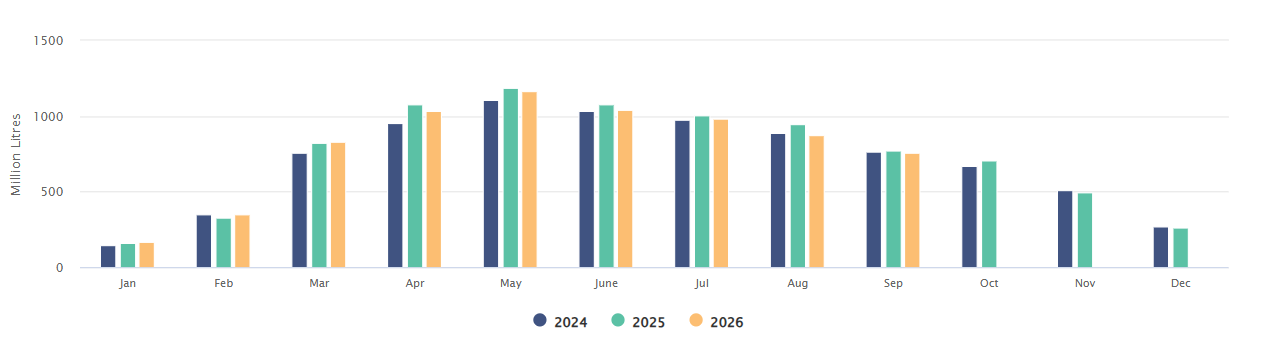
Domestic milk intake down almost 13 million litres in September
Domestic milk intake by milk processors and co-ops was estimated at 760.4 million litres in September 2026, according to the Central Statistics Office (CSO). According to the Milk Statistics September 2026 report, this is a decrease of 12.8 million litres or 1
 Agriculture
ESB Networks Autumn Safety Series 2026: Stay vigilant around electricity
The changes due in weather over the coming weeks, along with the onset of shorter days, is no doubt increasing the pressure on farmers to get field work completed. This extra pressure brings its own safety risks, and ESB Networks is asking farmers to also be m
 Agriculture
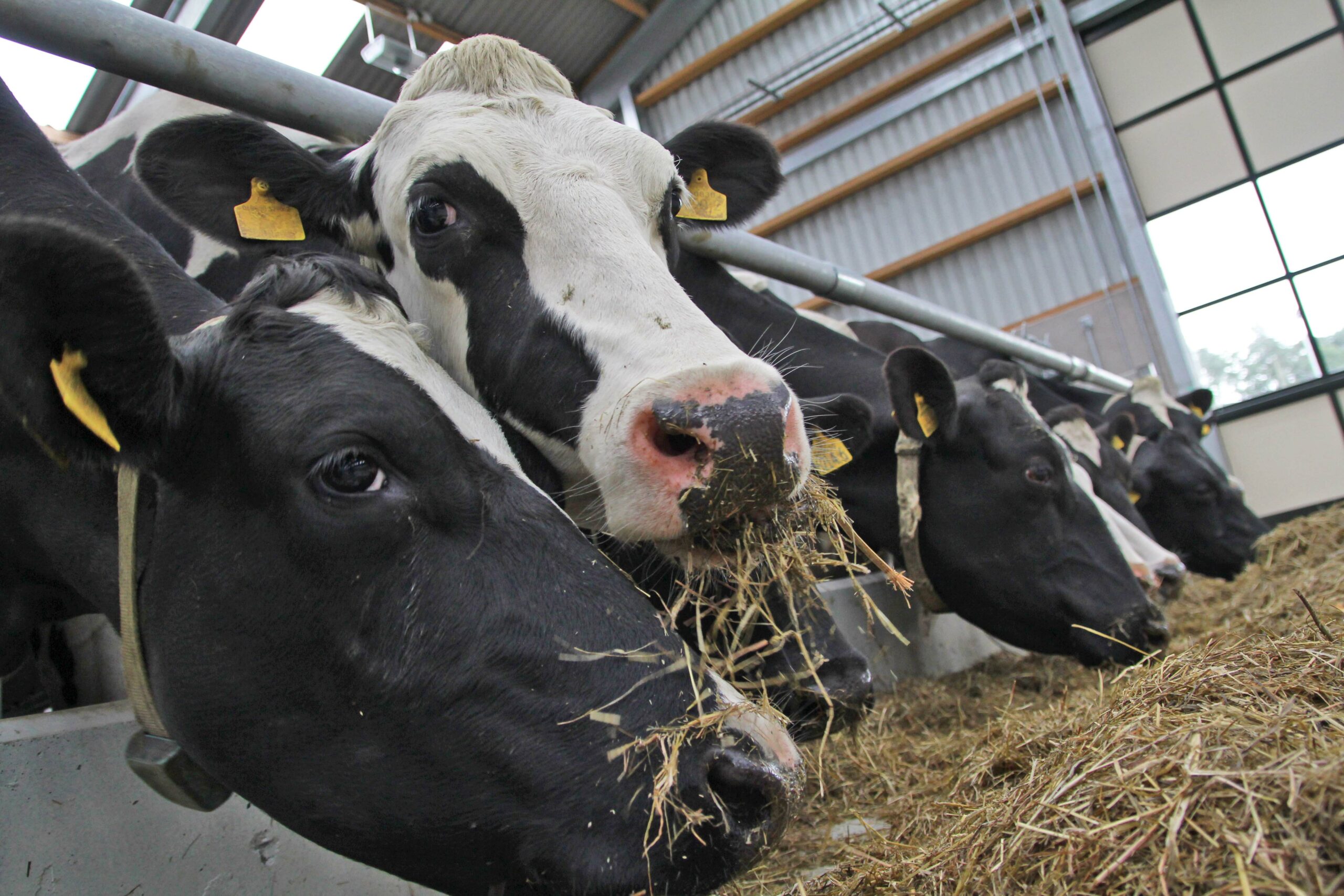
What is the expert advice for dry-off?
It is hard to think that dry-off is only around the corner, but there is no denying how quickly it is creeping up, so it is best to get prepared now. Realistically, a lot of farmers do not think about drying-off procedures until it is time to actually carry ou
 Agriculture
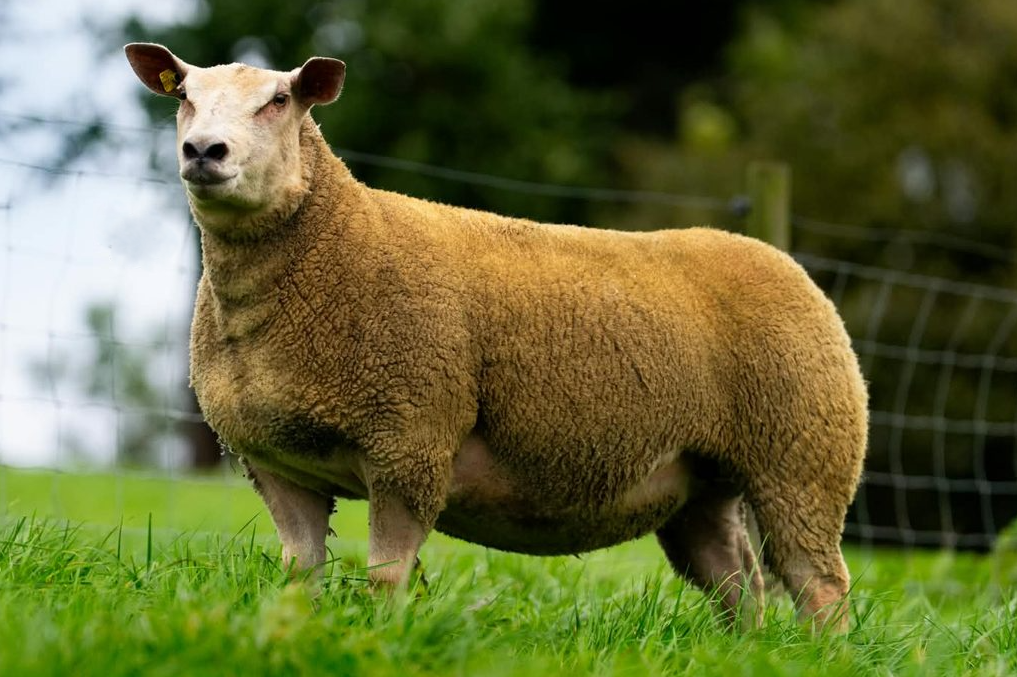
Genetic Jewels sale to feature 65 in-lamb Charollais on November 7
Blessington Mart in Co. Wicklow is set to host the Genetic Jewels sale on Saturday, November 7. A total of 65 in-lamb pedigree Charollais hoggets and ewe lambs are catalogued and the sale “promises to be an excellent chance to obtain some of the best Charollai
Never miss a headline
The biggest stories in business and finance, delivered to your inbox. Join thousands of readers — unsubscribe any time.